Updates

Neighborhood change doesn’t happen in headlines—it happens block by block, relationship by relationship. Here, we share the stories, insights, and real-world examples behind CFN’s work, highlighting what it takes to build lasting neighborhood power. Each post is a window into how communities move from idea to impact. Explore our stories and if you see yourself in this work, connect with us to be part of building what comes next.

By carlad March 8, 2026
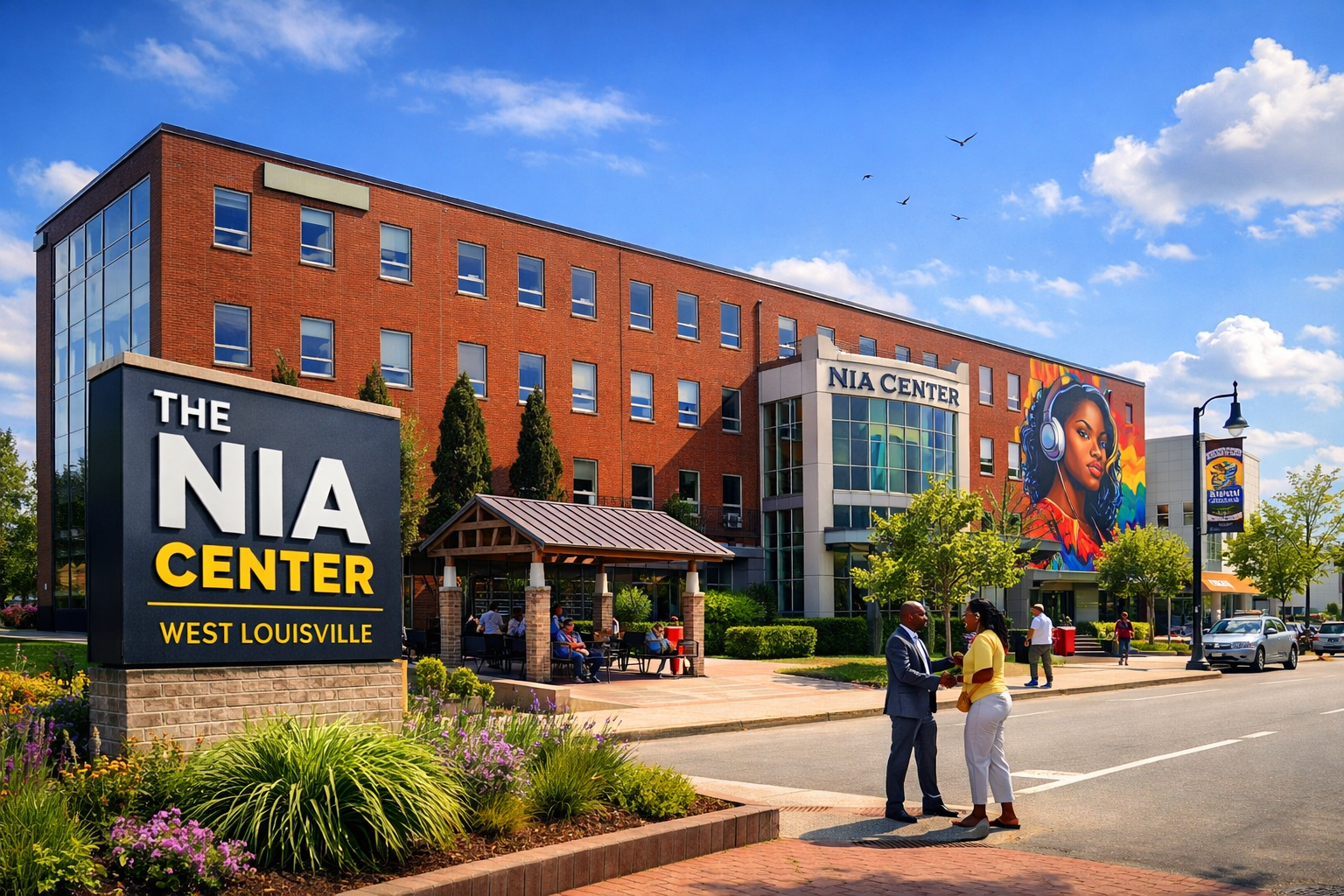
Louisville has a rare opportunity right now: to move a major community asset from uncertainty to permanence. For years, the Nia Center has represented something bigger than square footage: a visible, West End hub where small businesses and community-serving organizations can grow side by side. What makes this moment different is that the work has shifted from “wouldn’t it be great” to the close-ready realities that actually determine outcomes—finalizing deal structure, aligning the capital stack, and putting the documentation in place so the project can close, stabilize, and deliver. As the fiscal sponsor supporting the West Louisville Dream Team, we’re in the process of submitting final materials to a host of potential funders and investors needed to complete the acquisition, including, importantly, a request to the West End Opportunity Partnership (see details below). Funding is the unlock at this point. The overall raise is $4,000,000 to acquire, close, and begin revitalization of the Nia Center. The financing process now runs on dates: proof of financing is due April 3, 2026 , with a targeted closing window in late May / early June 2026 . The request to the West End Opportunity Partnership, in plain terms As part of completing the $4.0 million raise, we, as fiscal sponsor and applicant on behalf of the West Louisville Dream Team (WLDT) and the community ownership offering it is preparing, is requesting $1,950,000 from The Partnership. That request has two parts: $1,500,000 as preferred redeemable equity and $450,000 as a grant for building improvements and upgrades. The $1.5 million earns a 4% annual return with liquidation preference ahead of common equity, meaning it has stronger protection than the common shares that will be held by CFN on behalf of WLDT and the community during the term of the fiscal sponsorship. WLDT/CFN can start paying it back after three years, and if it hasn’t been repaid by ten years, The Partnership can require repayment. There’s no extra penalty for paying it back early. At a future refinance or sale, The Partnership also has an option to convert a portion into up to 5% ownership instead of taking all cash back. If The Partnership prefers, part of this $1.5 million can be structured as a subordinated loan, at interest of 4% and a balloon payment in 15 years. The $450,000 grant goes directly toward the building improvements and upgrades that have been planned for the building to improve the tenant experience and protect long-term value. It also serves as an anchor within a broader $1,000,000 upgrades grant campaign, helping accelerate visible improvements while the building moves into its next chapter. What happens next The next phase is disciplined and time-bound: finish financing commitments, continue tenant engagement and pre-leasing progress, and complete closing preparations so the project can move into early upgrades and stabilized operations. If we do this right, the Nia Center becomes a proof point—showing what it looks like when community leadership and structured capital work together to produce something durable: a stronger hub for Black, Brown and local entrepreneurship, and an ownership pathway that isn’t theoretical, but real enough to close on. This is the Nia Center moment. The work now is to turn community voice and values into execution, and long-term community ownership.

A large ornate bronze fountain with water cascading into a pool, surrounded by a wrought-iron fence and greenery.
By Center for Neighborhoods March 2, 2026
CFN has evolved from a design center doing primarily human-centered architecture work into an organization focused on education, engagement, and resident leadership—training and programs that help neighbors define priorities and build power together.
Woman in blazer at a desk, writing in a notebook, with laptop, blueprints, and phone; office setting.
By Center for Neighborhoods February 21, 2026
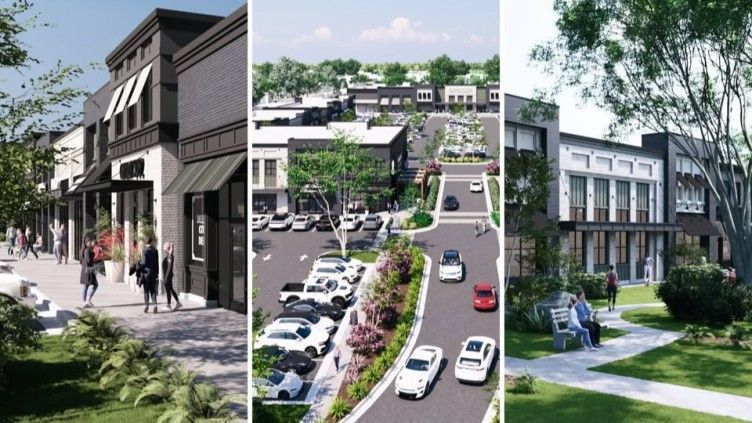
Louisville doesn’t need more ideas. It needs more capacity to execute—in neighborhoods, with residents, and in ways that actually last. That’s why Center for Neighborhoods is building a citywide Expert Network of experienced planners, facilitators, designers, organizers, analysts, developers, and project leaders.
Three architectural renderings of a retail and residential development with people, cars, trees, and greenery.
By Center for Neighborhoods February 19, 2026
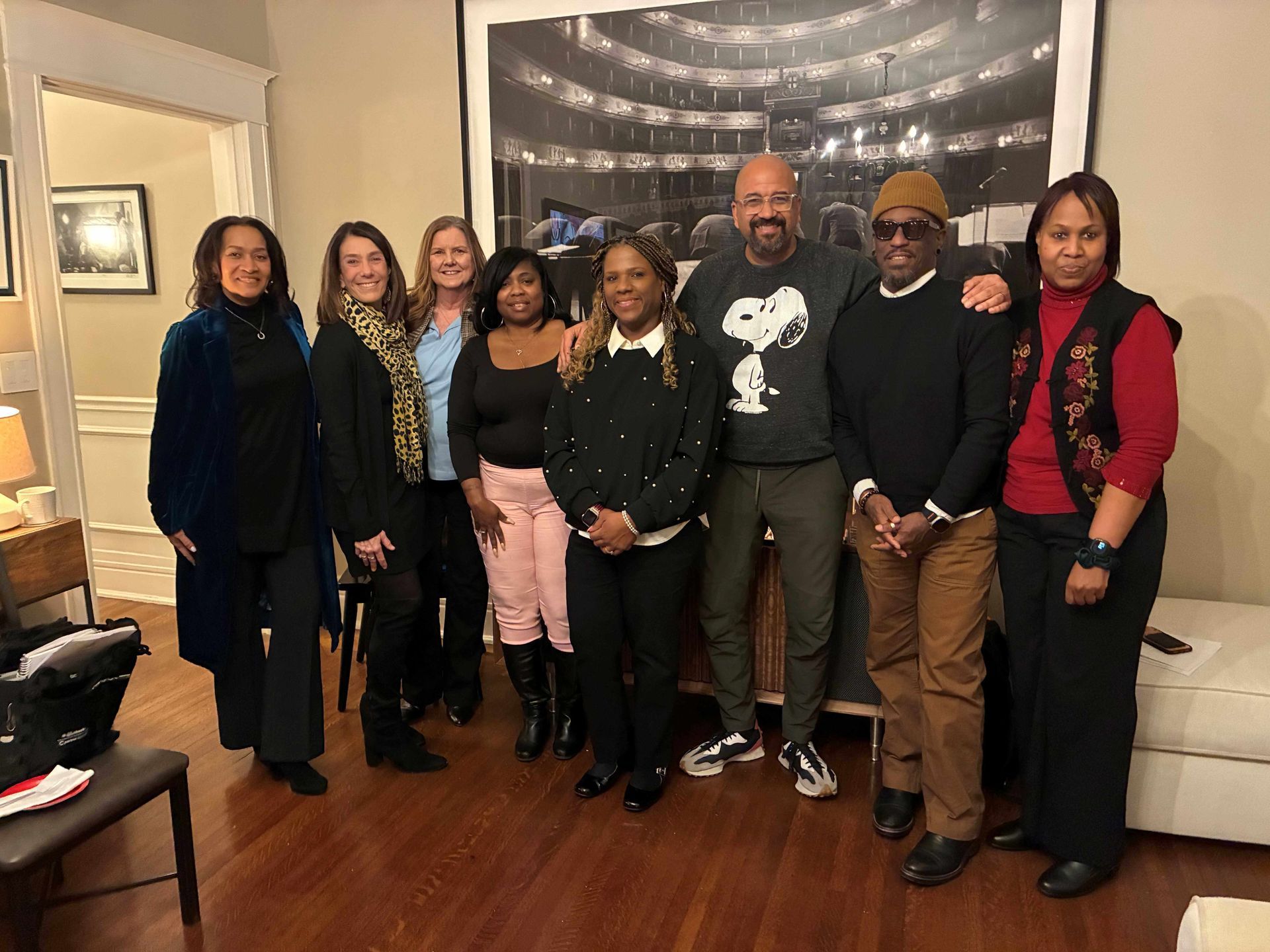
This post is part of CFN’s Project78 series—spotlighting what’s happening in neighborhoods across Louisville through the lens of experienced, concerned local experts and partners who help communities stay informed and ready to engage.
Group of people posing together in a room with a large photo on the wall.
By Center for Neighborhoods December 26, 2025
CFN issues its FY2025 Impact Report
Nonpartisan primary ballot with votes marked for Candidates A and C, with a city skyline backdrop.
By Center for Neighborhoods October 29, 2025
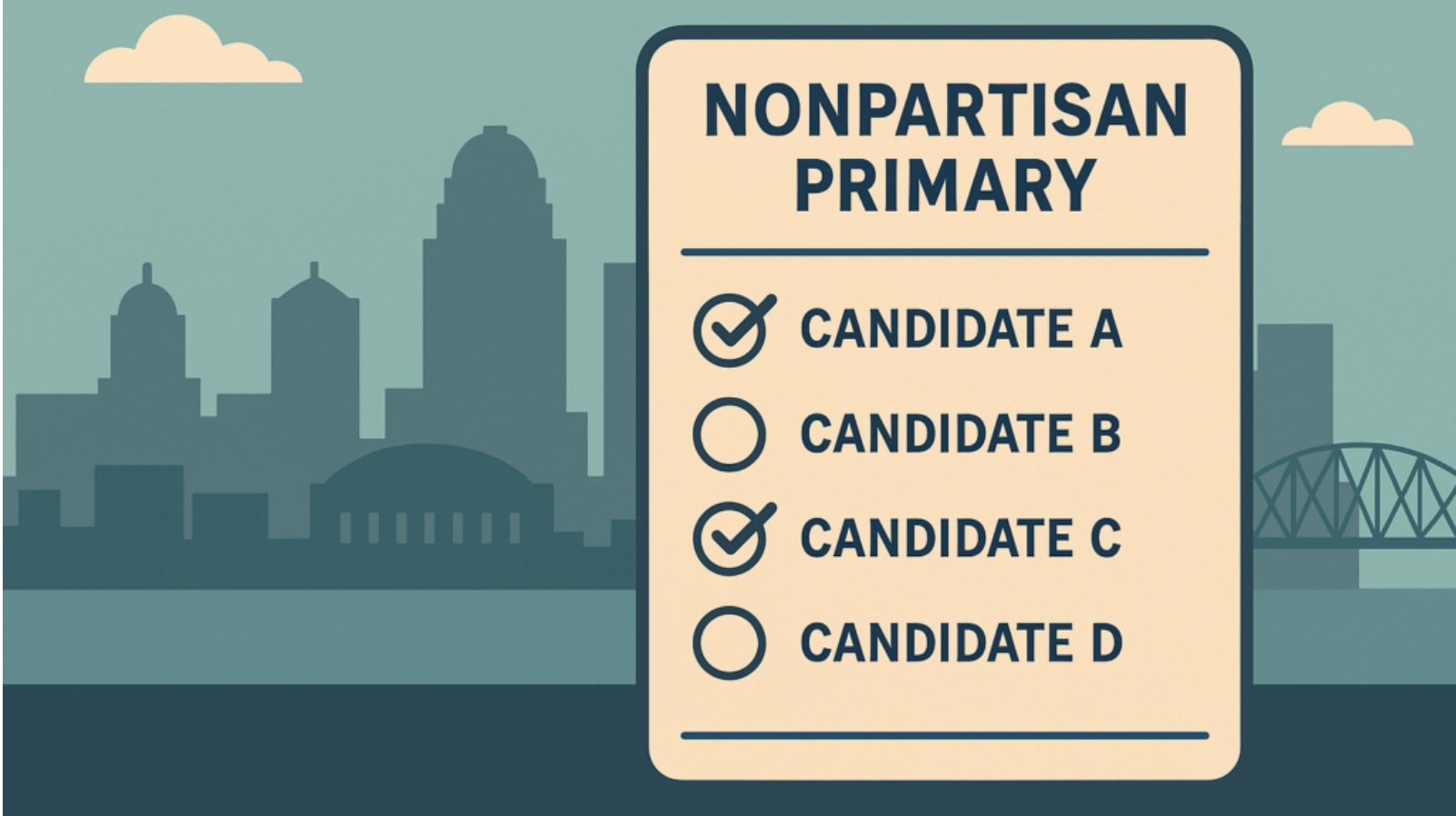
Louisville Is Moving to Nonpartisan Local Elections. Here’s What It Means for Neighborhoods.
Diagram of a proposed structure made of stacked shipping containers, with surrounding landscaping.
By Center for Neighborhoods October 24, 2025
Community Foundation of Louisville Delivers Bridge to Community Ownership
Person writing on a wall with the words
By Center for Neighborhoods October 18, 2025
Over the years, CFN has helped neighborhoods and corridors tackle real challenges: how to preserve character while welcoming change, how to make streets safer and more connected, how to support local businesses, and how to turn community priorities into plans that can actually be implemented.
People at a table in a room, eating and working. Several papers and meals visible.
By Center for Neighborhoods October 15, 2025
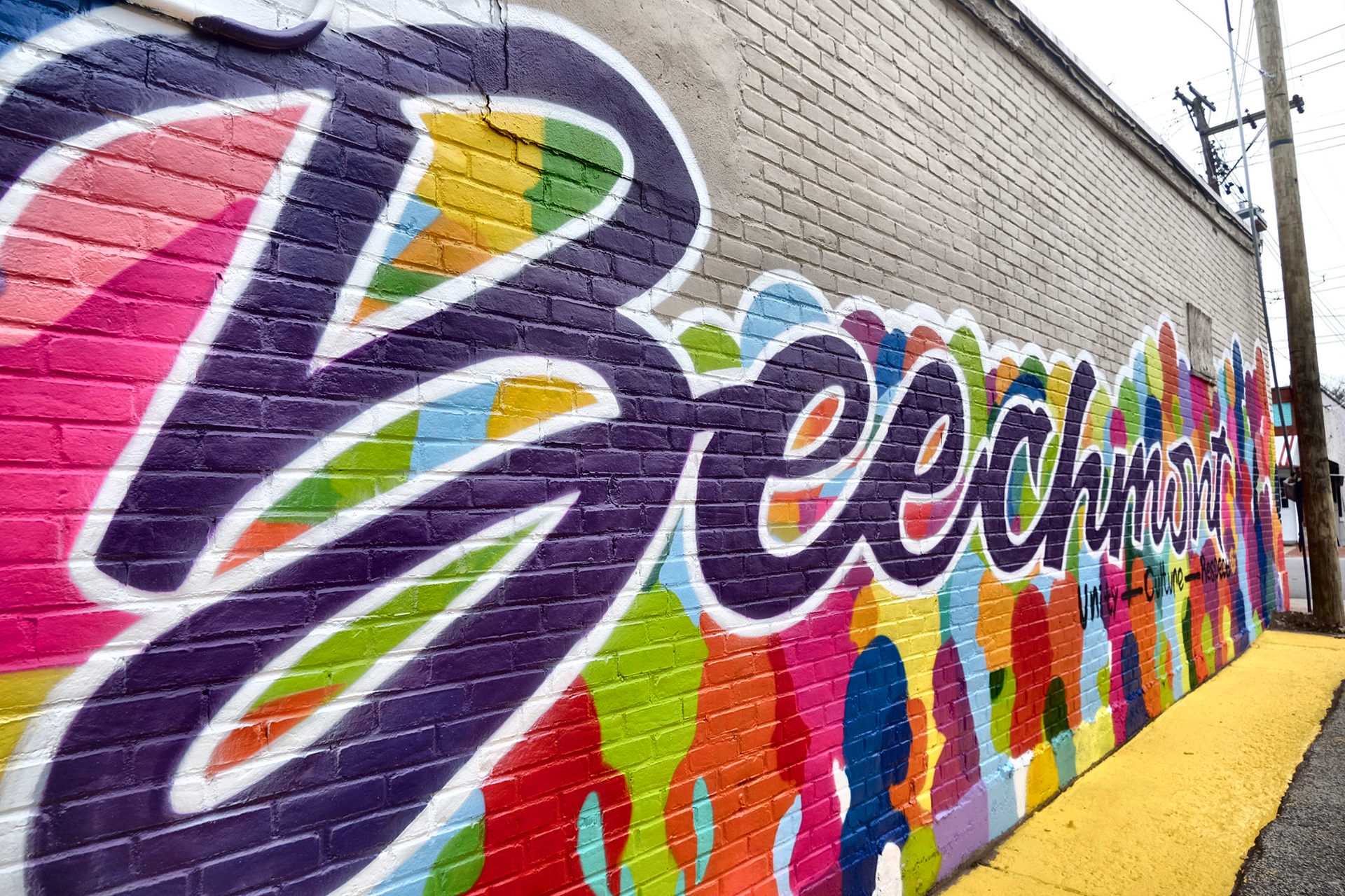
Most neighborhoods don’t lack passion. They lack leverage—the know-how to navigate systems, build consensus, and move from frustration to action. CFN’s education work exists to close that gap: we teach people how power works, how neighborhoods organize, and how to turn ideas into outcomes.
Colorful mural on brick wall:
By Center for Neighborhoods October 7, 2025
At CFN, engagement isn’t a “phase.” It’s how the work starts and how it stays accountable. Resident work is the backbone, and it “all begins with engagement,” with liaisons on the ground helping neighbors drive change through their vision—providing technical support, not decisions.
Person wearing a black cap with
By Center for Neighborhoods October 2, 2025
The Center for Neighborhoods FY2026–FY2028 Strategic Plan sets the direction for our work over the next three years and sharpens how we turn neighborhood leadership into lasting change.
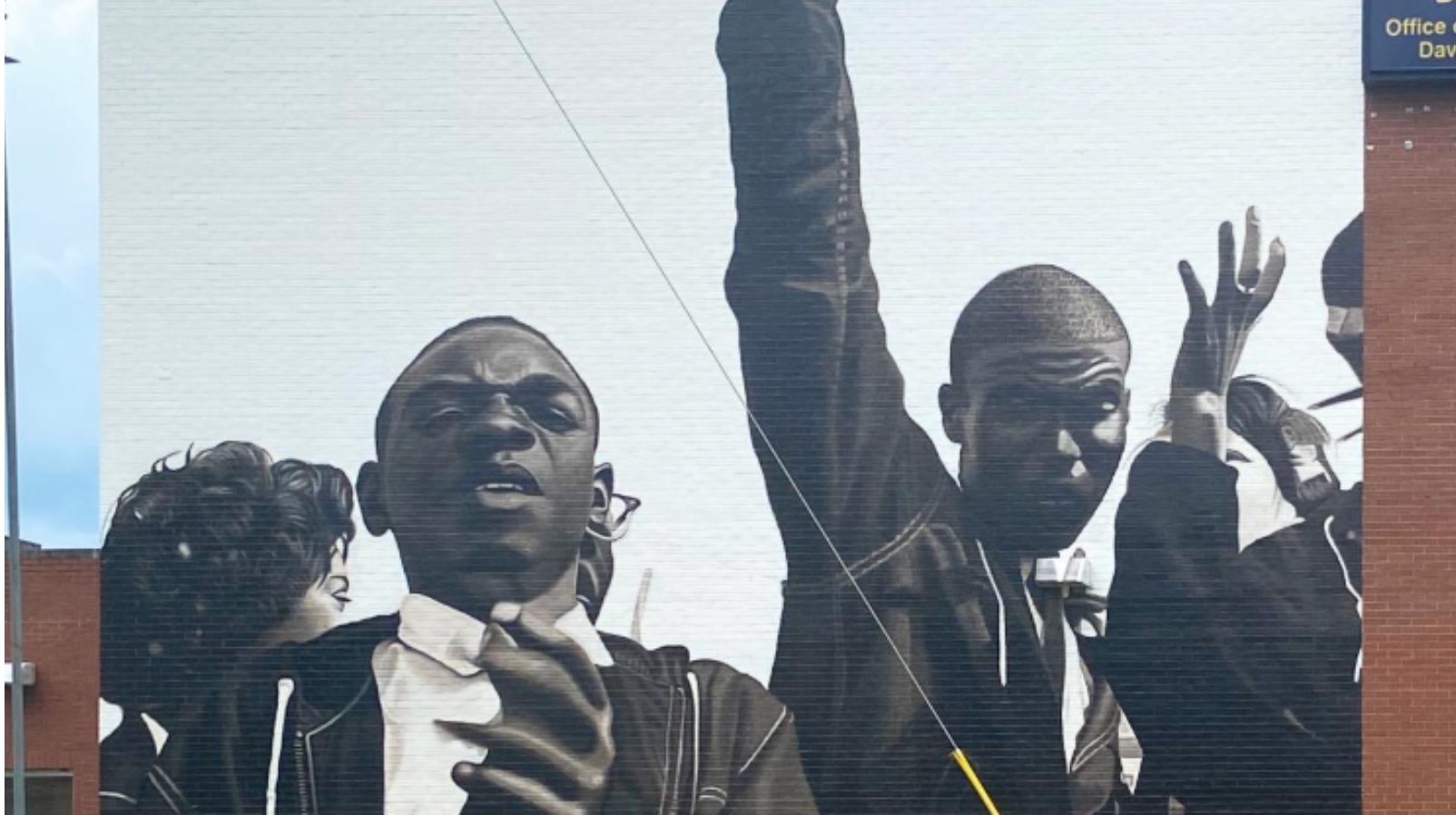
Mural of a crowd, some with arms raised. Mostly black and white.
By Center for Neighborhoods August 28, 2025
CFN’s Role in the Nia Center Path to Community Ownership
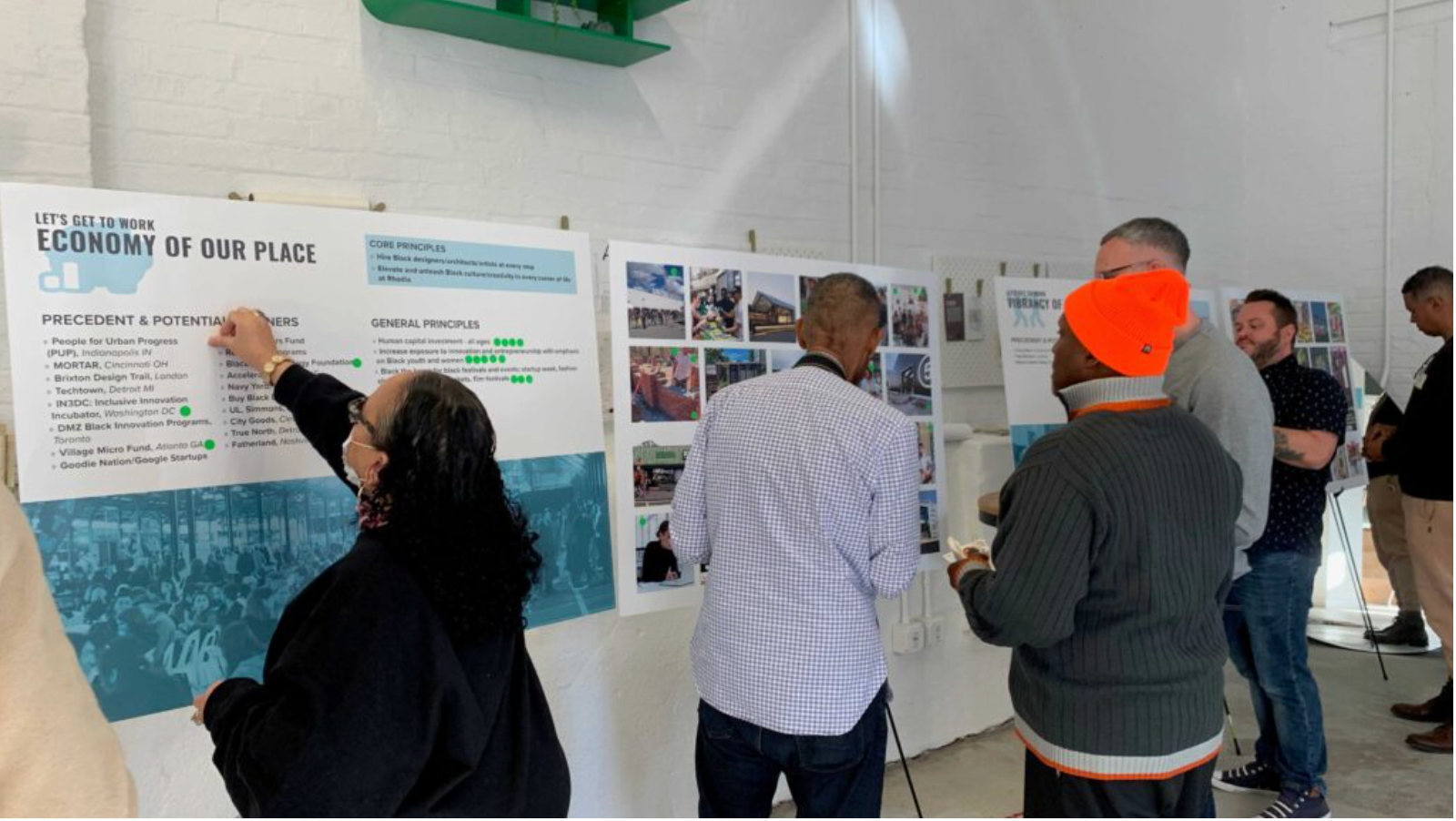
People viewing informational posters. A woman points at text, others observe. White wall, natural light.
By Center for Neighborhoods August 6, 2025
Paying for Participation: How Our COAB Project Invests in Community Voices
By Center for Neighborhoods July 10, 2025
Urban renewal done the old way is broken. From the Atlanta Beltline to waterfront “revitalizations” nationwide, gleaming projects have delivered upside to landowners while pricing longtime residents out of the very neighborhoods they built. The pattern is so predictable it feels baked into the system: capital gathers land early, values spike, renters get the eviction notice, and entire social networks scatter.
By Center for Neighborhoods June 26, 2025
This post is part of our ongoing, experiment-in-public series using AI to speed up analysis of Metro Council’s budget hearings. We’re stress-testing the tech, comparing it against traditional note-taking, and sharing what we learn so residents can act on solid information. This is nearly the last post in this series, because Metro Council will act on the budget later tonight at its June 26th meeting. However, you will see that analyzing the process and its challenges is an evergreen issue, one that we all want to see continue to evolve and improve.
Architectural rendering of a structure made of shipping containers, with an outdoor area, street map surrounding.
By Center for Neighborhoods June 22, 2025
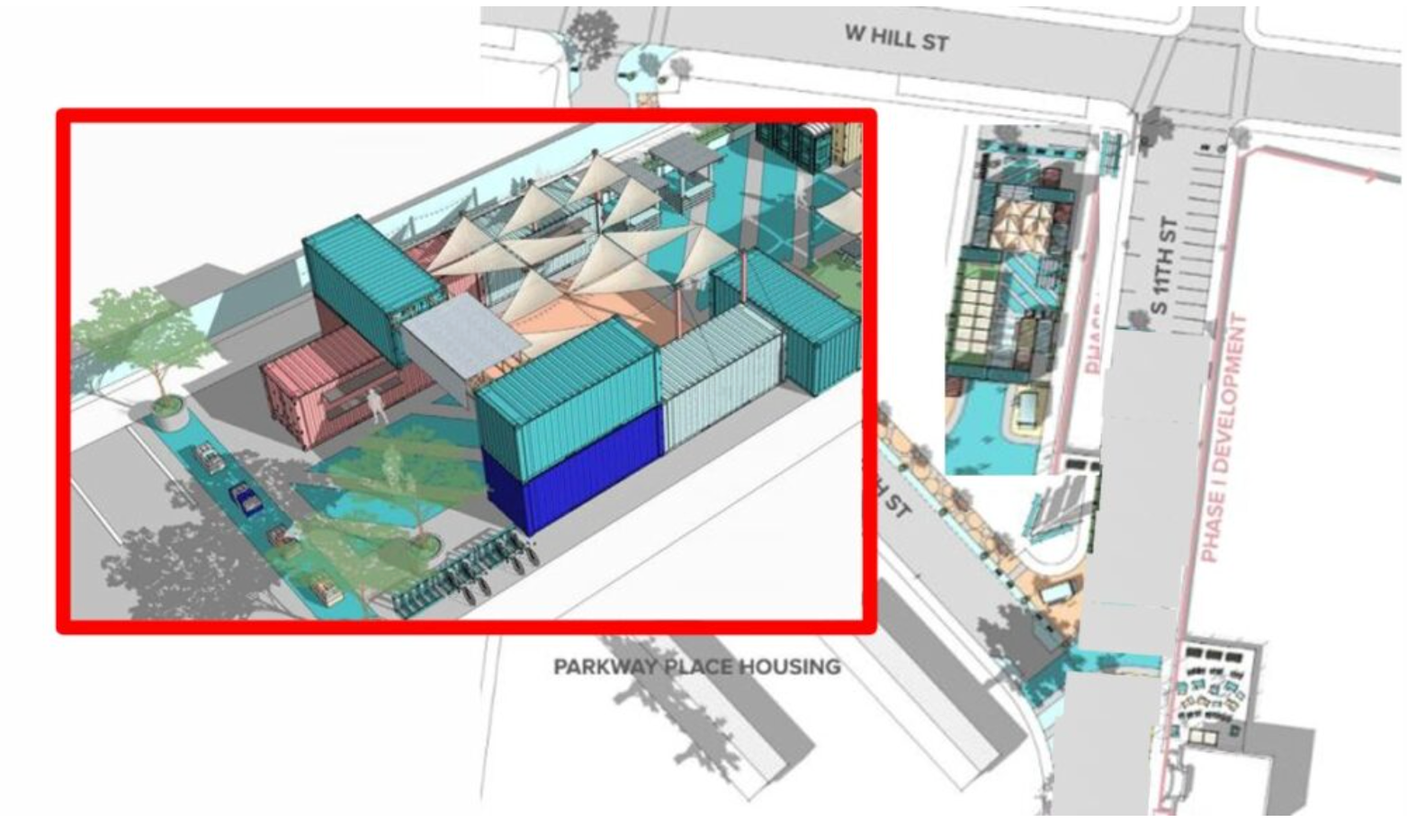
CFN closed on the Triangle property at 1120 W. Hill Street on October 21, 2025, holding it on behalf of neighborhood leaders until it transfers into a new resident-led co-op structure.
City skyline with economic icons: graph, dollar sign, building, people.
By Center for Neighborhoods June 19, 2025
Louisville’s FY25-26 Operating Budget: What Changed on the Way from Mayor’s Desk to Metro Council?
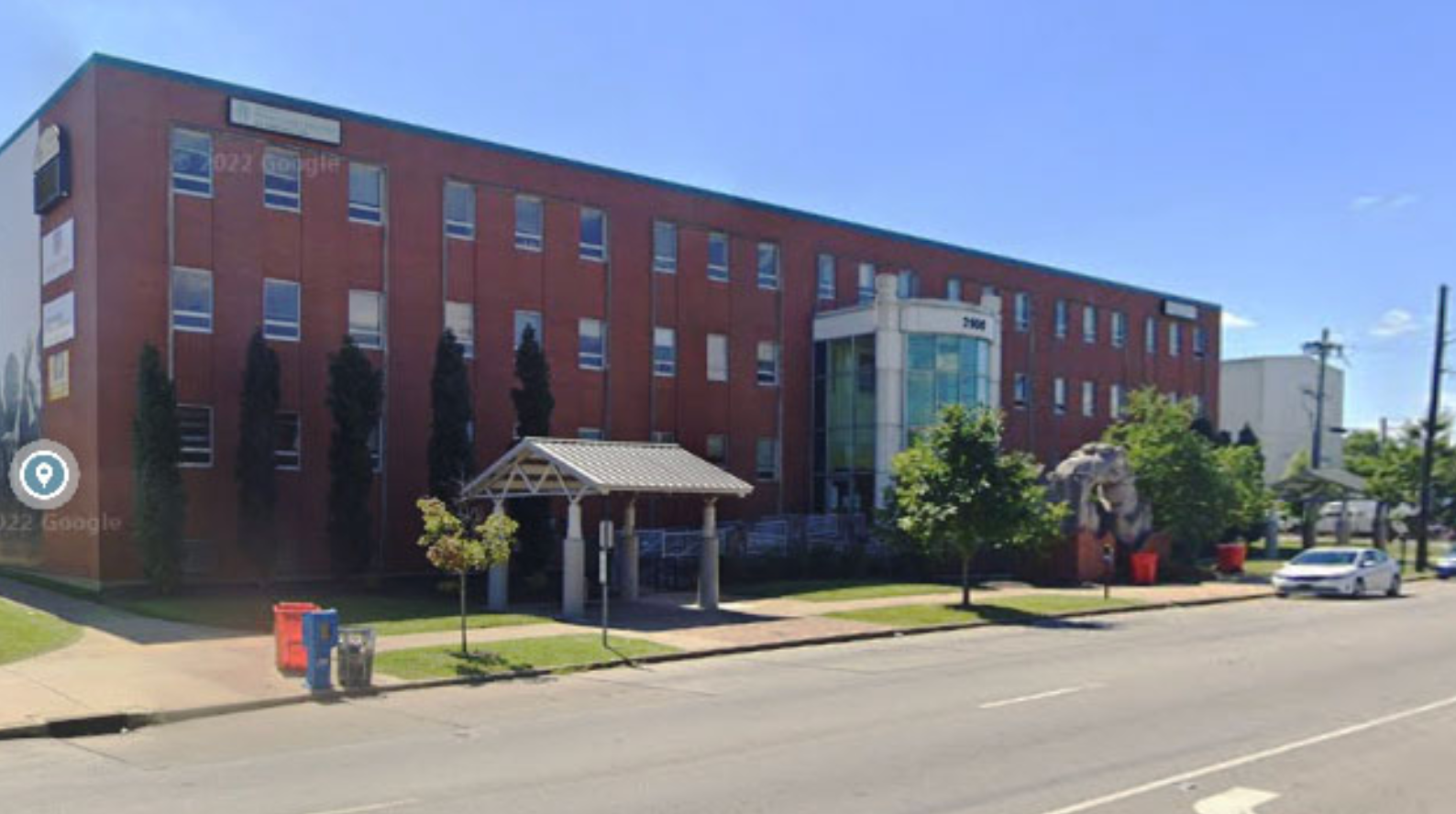
Brick building with several windows, an awning, and a glass-enclosed section. Trees and parked cars are visible.
By Center for Neighborhoods June 12, 2025
Louisville has no shortage of bold ideas for economic development, but too many of them still launch before residents have a seat at the table. The latest example: the Transit Authority of River City’s plan to sell the TARC-owned Nia Center to Goodwill— a move that blindsided the small businesses now housed there and s
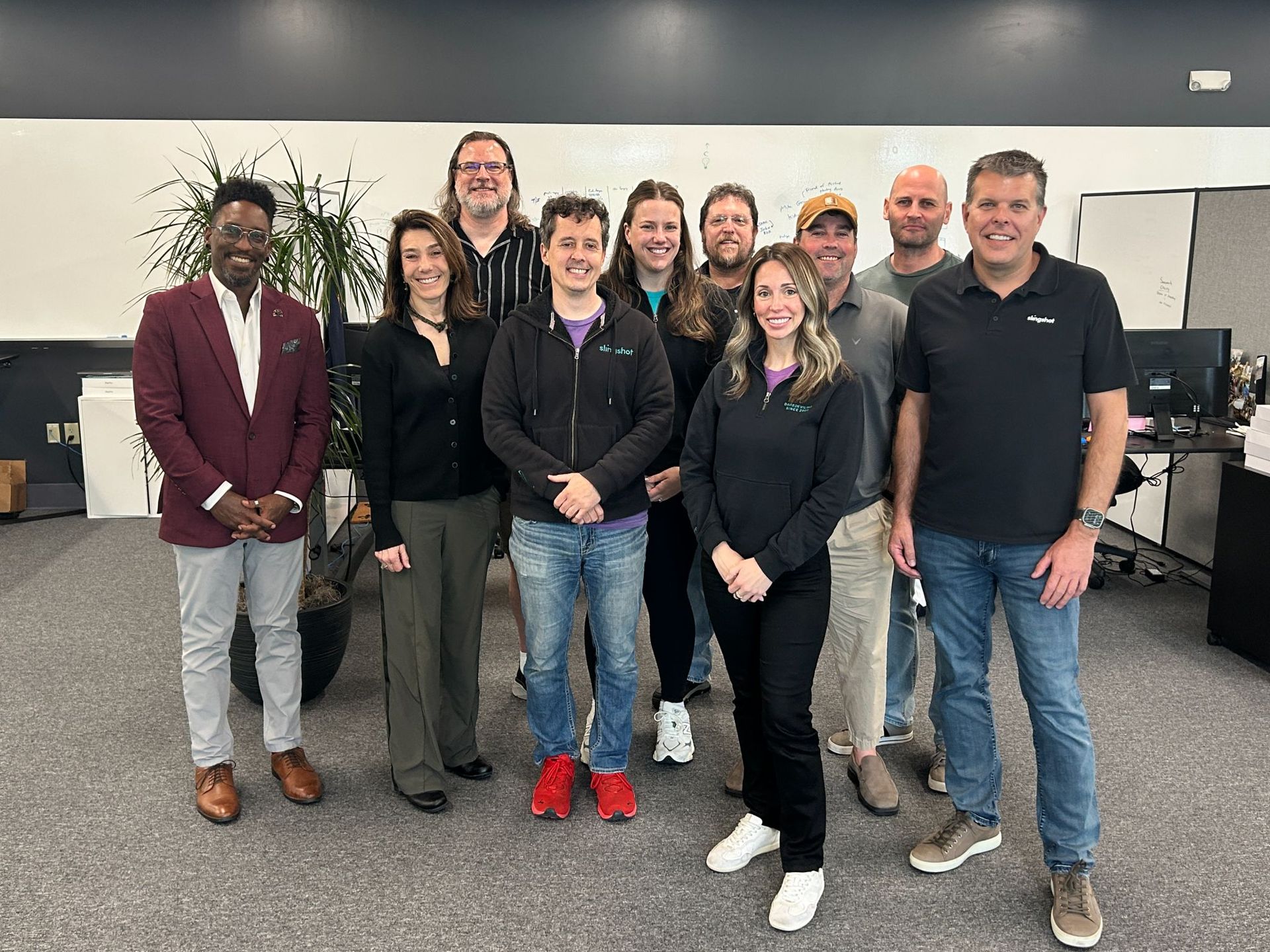
Group of people posing for a photo in an office. People are of various heights and wearing casual attire.
By Center for Neighborhoods June 2, 2025
On May 7, CFN stepped into a one-day hackathon hosted by our partners at Slingshot. Our role wasn’t to write code—we were the client, testing whether AI could really solve a pain point we see every day: neighbors can’t act on issues hidden in four-hour council videos and shrinking local-news columns.
Silhouette head with tech circuit tree, leaves, city, people, and orange sun.
By Center for Neighborhoods May 23, 2025
Recently, a community member reached out with important concerns about our use of generative AI in our new effort called CivicPulse — specifically around its environmental impact, bias, and the integrity of AI-generated content. We’re deeply grateful for their thoughtful message and want to respond with transparency an
Cityscape with icons of people, housing, construction, and finance, suggesting urban development.
By Center for Neighborhoods May 15, 2025
There have already been six (6) budget hearings but today we’re highlighting an AI-driven analysis of Wednesday’s Economic Development Budget hearing. It was the perfect test case: dense slides, spirited questioning, and real dollars on the line. Here’s the rundown—and why it matters on your block.
Master plan schematic with buildings, parking, and green spaces, labeled with building names and surrounding roads.
By Center for Neighborhoods May 9, 2025
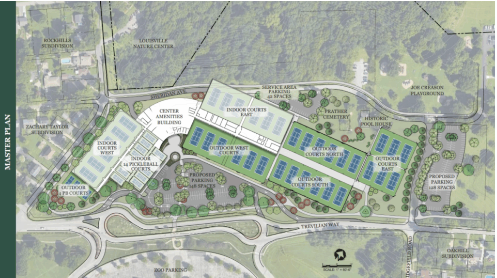
The Joe Creason Park debate is about high‑impact land, parks and financing where decisions happen outside the standard Metro Council agenda‑setting process we’ve been mapping.
By Center for Neighborhoods May 8, 2025
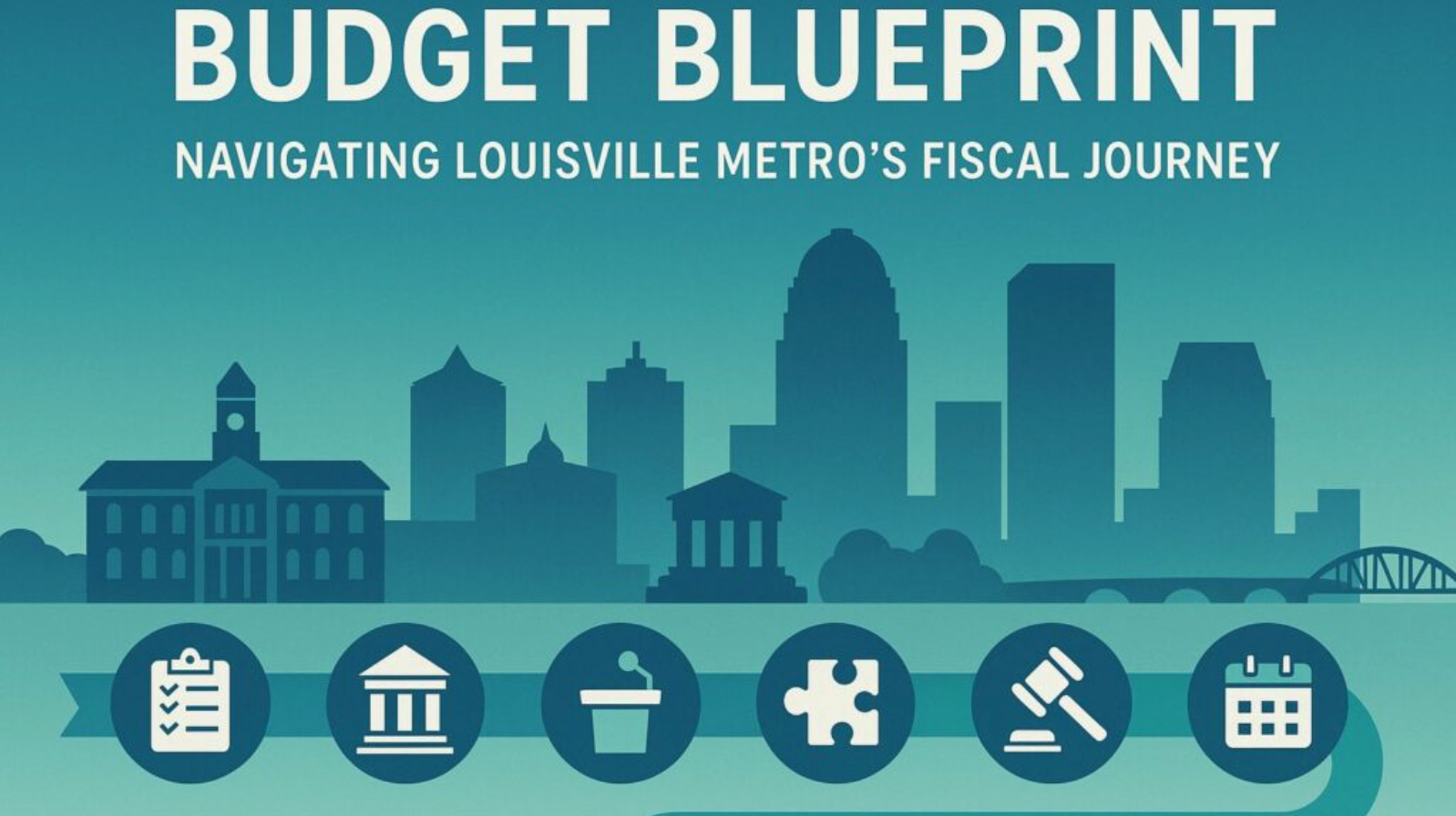
Budget Blueprint: Navigating Louisville Metro’s Fiscal Journey
Framed sign reading
By Center for Neighborhoods May 2, 2025
Earlier this month, the Better Business Bureau’s Wise Giving Alliance (BBB WGA) completed its Charity Review of Center for Neighborhoods (CFN) and confirmed that we meet every one of the 20 BBB Standards for Charity Accountability. Our accreditation is valid through May 2027, and the full report can be found here on Gi

Ways to get involved

Every neighborhood’s path is different. Some are just beginning to organize. Others are ready to build, invest, or scale. CFN exists to support all of it without rushing the process or skipping the people.


If you’re ready to engage, learn, plan, or invest in the future of Louisville neighborhoods, we’re ready to walk alongside you.

Work With Us