Weekly Blog
CFN Updates
Ownership Power: Residents Claim the Future of Louisville Neighborhoods
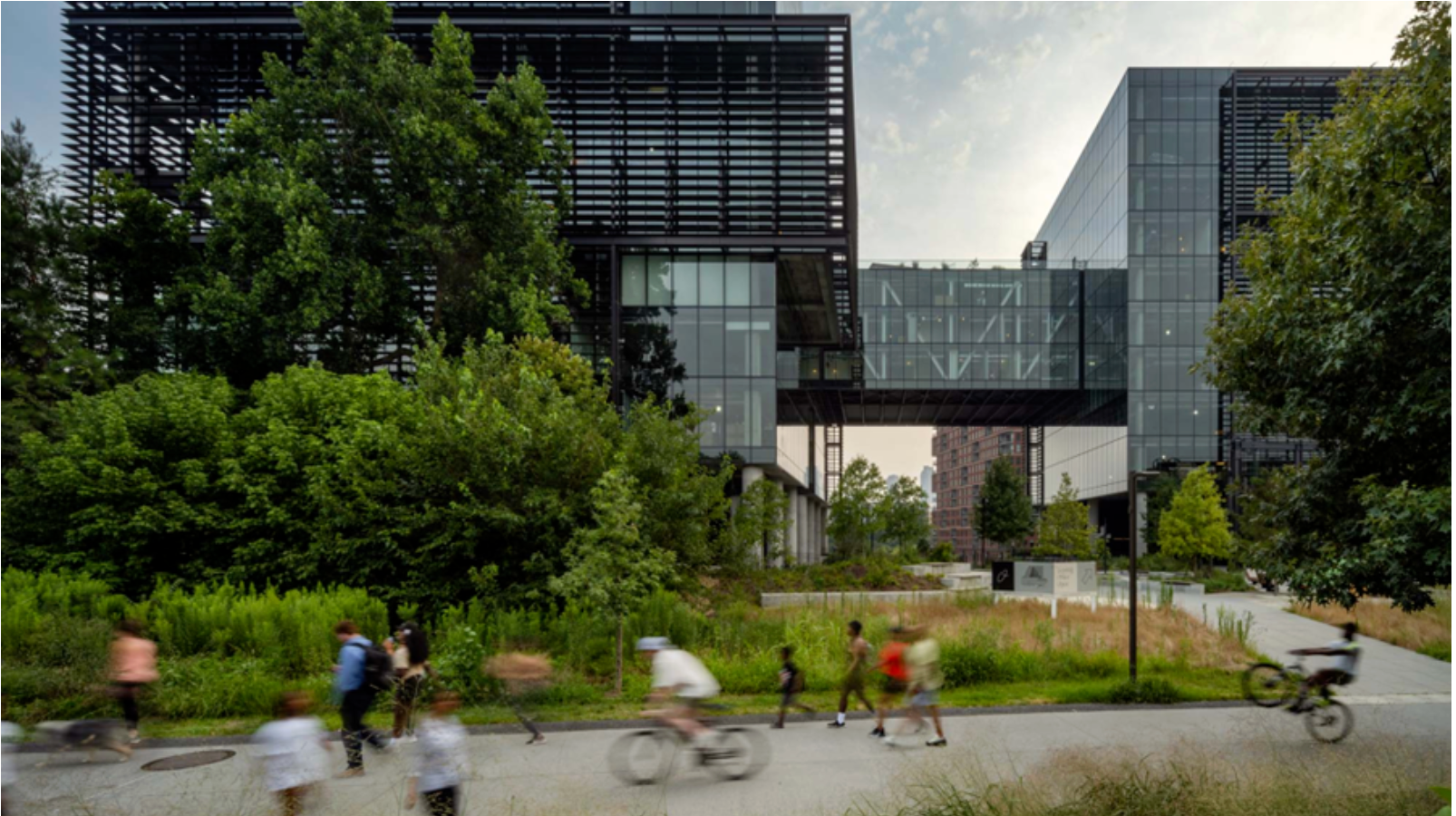
Urban renewal done the old way is broken.
From the Atlanta Beltline to waterfront “revitalizations” nationwide, gleaming projects have delivered upside to landowners while pricing longtime residents out of the very neighborhoods they built. The pattern is so predictable it feels baked into the system: capital gathers land early, values spike, renters get the eviction notice, and entire social networks scatter.
Louisville is at that same crossroads. Rising demand and outside speculation are pressing on West and South End communities that have already endured decades of under-investment. If we wait for “the market” to self-correct, the outcome is clear—owners win, renters lose. That is why the Center for Neighborhoods (CFN) is doubling down on the principles we have championed for nearly 50 years: community ownership, environmental justice, and neighborhood-powered development rooted in what residents want—and just as importantly, what they don’t want.
A Resident-Led Engine Is Already in Motion
The resident-led neighborhood association we helped catalyze in the Park Hill/Algonquin neighborhoods is no longer an idea on paper; it is fully formed, run by neighbors, and steering its own agenda. Those leaders are demanding tools that give them permanent seats at the decision-making table and real equity in the upside of future growth. They are living proof that when communities organize first, development can follow their lead instead of bulldozing it.
The 4P Model: Putting People on the Cap Table
Our Head of Community Investment, Carla Dearing, recently wrote about this community development challenge and argued for a “public-private-people partnership” (4P) that embeds residents into every deal’s capital stack. The mechanics as it relates to CFN’s work in the Park Hill/Algonquin neighborhoods are straightforward:
- Community Ownership Vehicle (COV). A co-op-style entity, fiscally sponsored by a trusted nonprofit, that can receive grants or donated land and hold long-term equity in local projects.
- Land Acquisition Vehicle (LAV). A for-profit fund that co-invests alongside the COV, with a built-in “promote” that rewards the co-op for delivering ownership opportunities to the community.
- Permanent Accountability. Because the COV stays on the cap table, promises made during entitlement—affordability periods, green-building standards, minority hiring goals—do not evaporate when the ribbon is cut.
Why This Fits CFN’s Mission
This structure turns the standard public-private partnership on its head: instead of asking developers to sprinkle benefits on a community after profits are locked in, it lets residents own a slice of the upside from day one, aligning incentives for everyone involved.
- Community Ownership. The COV puts equity directly in neighborhood hands—exactly the wealth-building mechanism our constituents have been demanding.
- Environmental Justice. By controlling land, residents can insist on remediation of brownfields, energy-efficient design, and green spaces that improve health outcomes rather than degrade them.
- Neighborhood-Powered Development. Decisions about use, scale, and character stay local, guided by the neighborhood members themselves.
Deepening Ownership, Growing Together
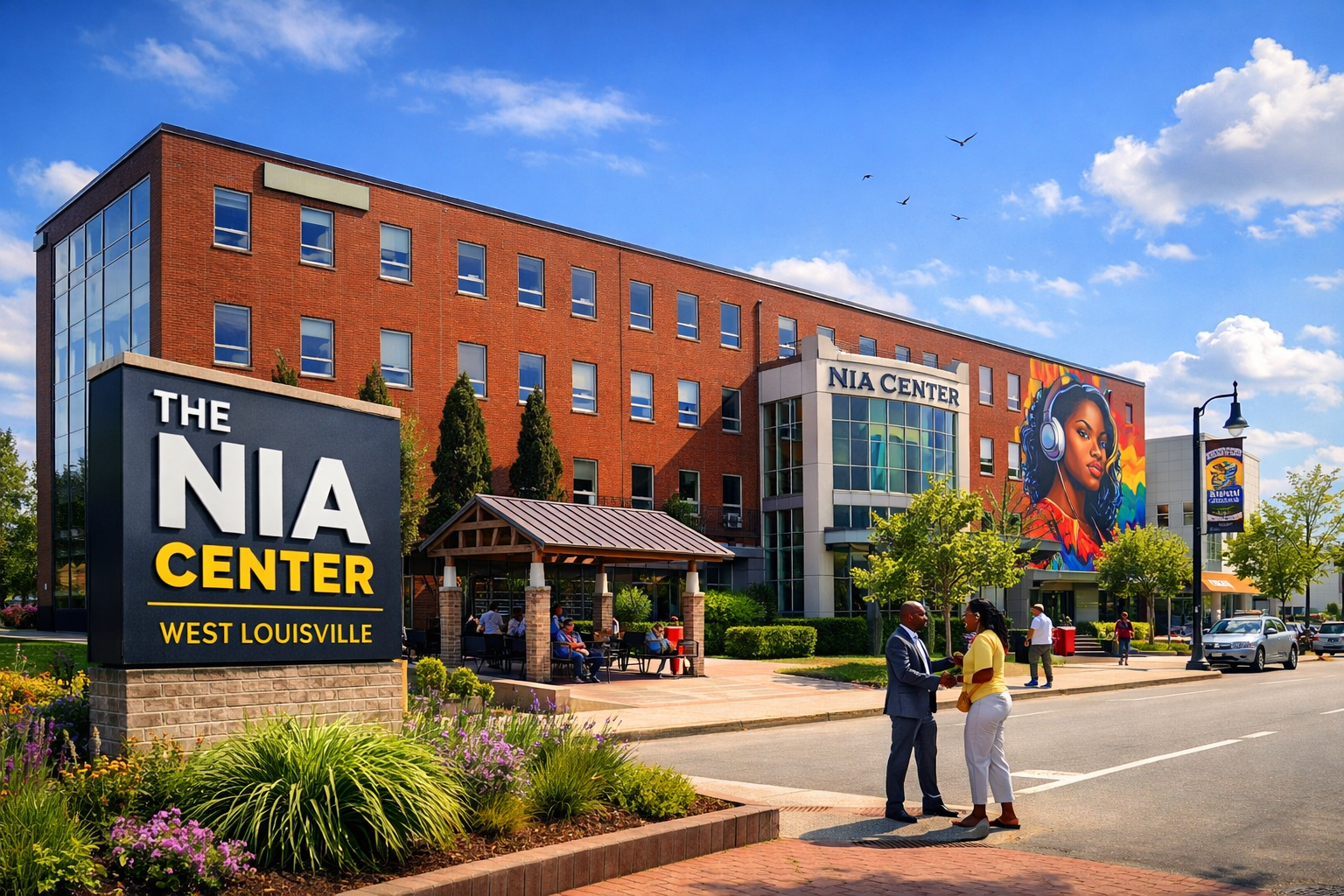
External conditions are shifting fast—interest-rate whiplash, climate shocks, political uncertainty. CFN’s answer is not retreat; it is to deepen our roots and widen our coalition. The 4P model is a concrete blueprint for channeling public funding, private capital, and community leadership into one coordinated force for equitable growth. It has different implementations in other community development initiatives, like the work we are doing with the tenants of the Nia Center, which we will talk more about in the coming weeks.
We invite city officials, mission-aligned investors, and everyday neighbors to join us in realizing these opportunities right here in Louisville. The seeds are planted, the resident leadership is ready, and the need could not be more urgent. Let’s prove that development can benefit everyone who calls a neighborhood home—and let’s start now.
Read:
What is Your Identity in Christ?
Watch: Identity & Action
TAGS:
Black Lives Matter | Martin Luther King Jr. |
Race and Ethnicity
LCBC stands for Lives Changed By Christ. We are one church in multiple locations across Pennsylvania. Find the location closest to you or join us for Church Online. We can’t wait to connect with you!
share this

Be Part of
the Story
The stories you’re reading are powered by residents building stronger communities. Donate today and support our residents, plans, and partnerships that make community-led change possible.
