Community Planning
It Starts With Neighbors and Builds Toward the Future
At the Center for Neighborhoods, planning is a tool for community control and collective vision. We support neighbors as they imagine, design, and shape the future of their communities using processes that center people, elevate lived experience, and translate ideas into feasible strategies. By combining grassroots engagement with data-driven and equitable planning tools, we help neighborhoods move from identifying challenges to creating plans they own and can act on. The result is planning that doesn’t sit on a shelf, but guides real decisions, investments, and change.
PLANNING AND DESIGN SERVICES
How we Support planning
Turning community vision into actionable plans
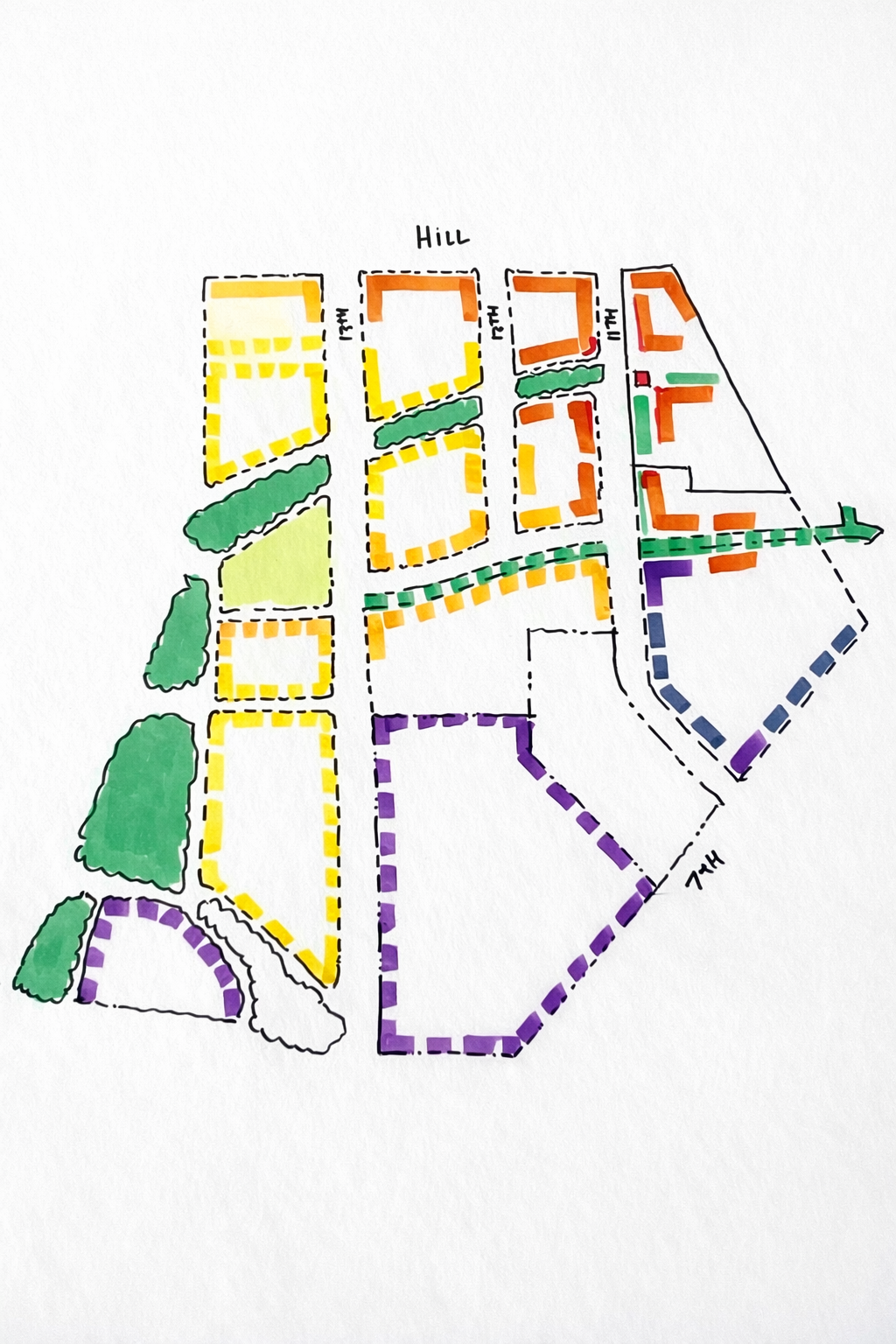
The Center for Neighborhoods partners with neighbors to plan for the future of their communities on their terms. Our planning and design services center residents in every step of the process, combining lived experience with data-driven, equitable, and engaging methods. We help neighborhoods clarify priorities, explore possibilities, and develop realistic strategies that can guide decisions, partnerships, and investment.
From quick, creative activations to long-term neighborhood planning, CFN uses tools that start at the grassroots and scale to meet community needs. Whether through small and mid-size projects like neighborhood mapping and research, or comprehensive assessments and plans, we support neighbors as they problem-solve, test ideas, and build momentum toward lasting change.
Interested in planning or design support for your neighborhood?
Connect and explore how our services can support your next step.
a legacy of neighborhood planning
How we Support planning
Roted in community, proven over time.
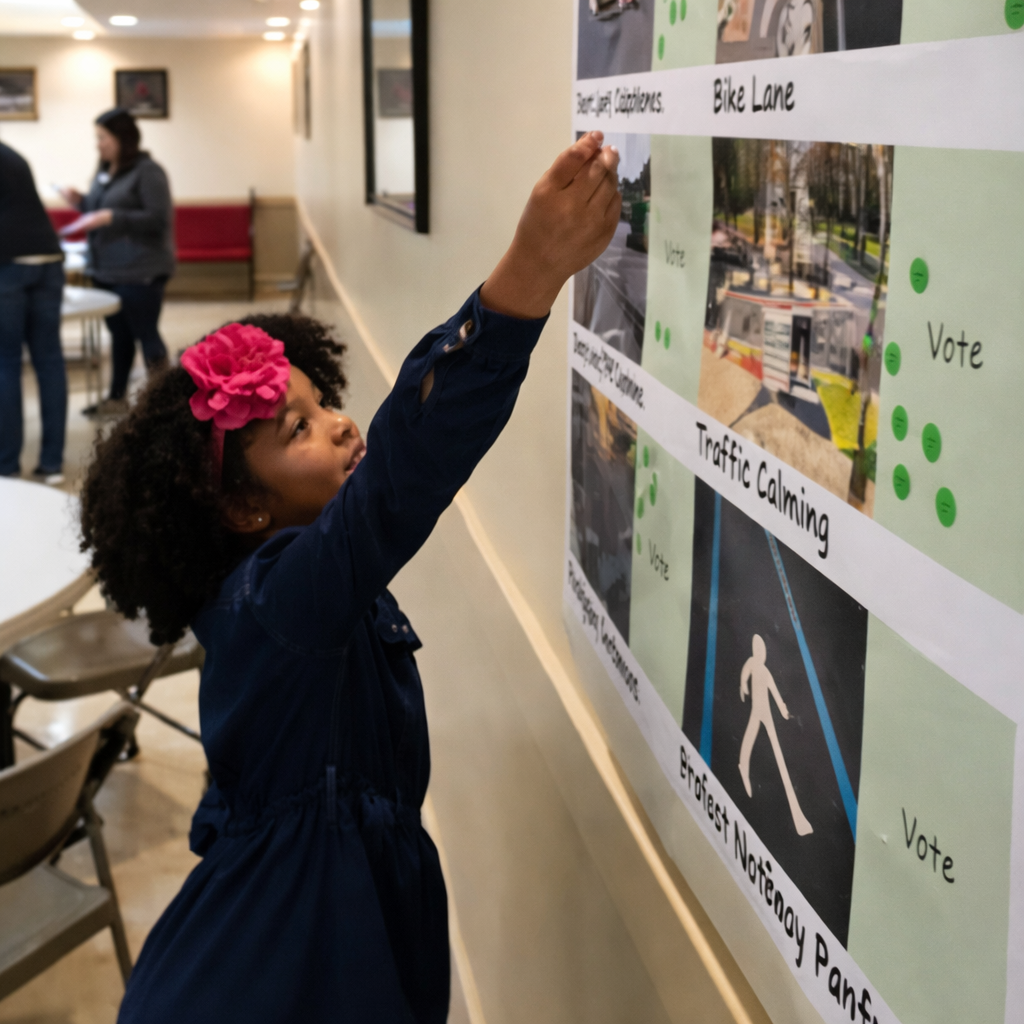
The Center for Neighborhoods is Louisville’s original Community Design Center, founded in 1972 on the belief that neighborhoods should have real influence over how their communities are shaped. From the beginning, our work has been grounded in social justice and community-centered design, centering the voices of the people most impacted by planning decisions.
For more than 50 years, CFN has partnered with residents, neighborhood organizations, and public agencies to create neighborhood plans and community projects across Louisville. That legacy continues today through our commitment to inclusive, equitable planning processes and practical, neighborhood-owned plans. We don’t just help communities imagine what’s possible—we equip them with the tools and strategies to advocate, implement, and sustain change over time.
Want to build on this legacy in your neighborhood?
Creating Community, One Neighborhood at a Time.
planning in action
From ideas to implementable strategies that work for people and place
“Small wins” that add up
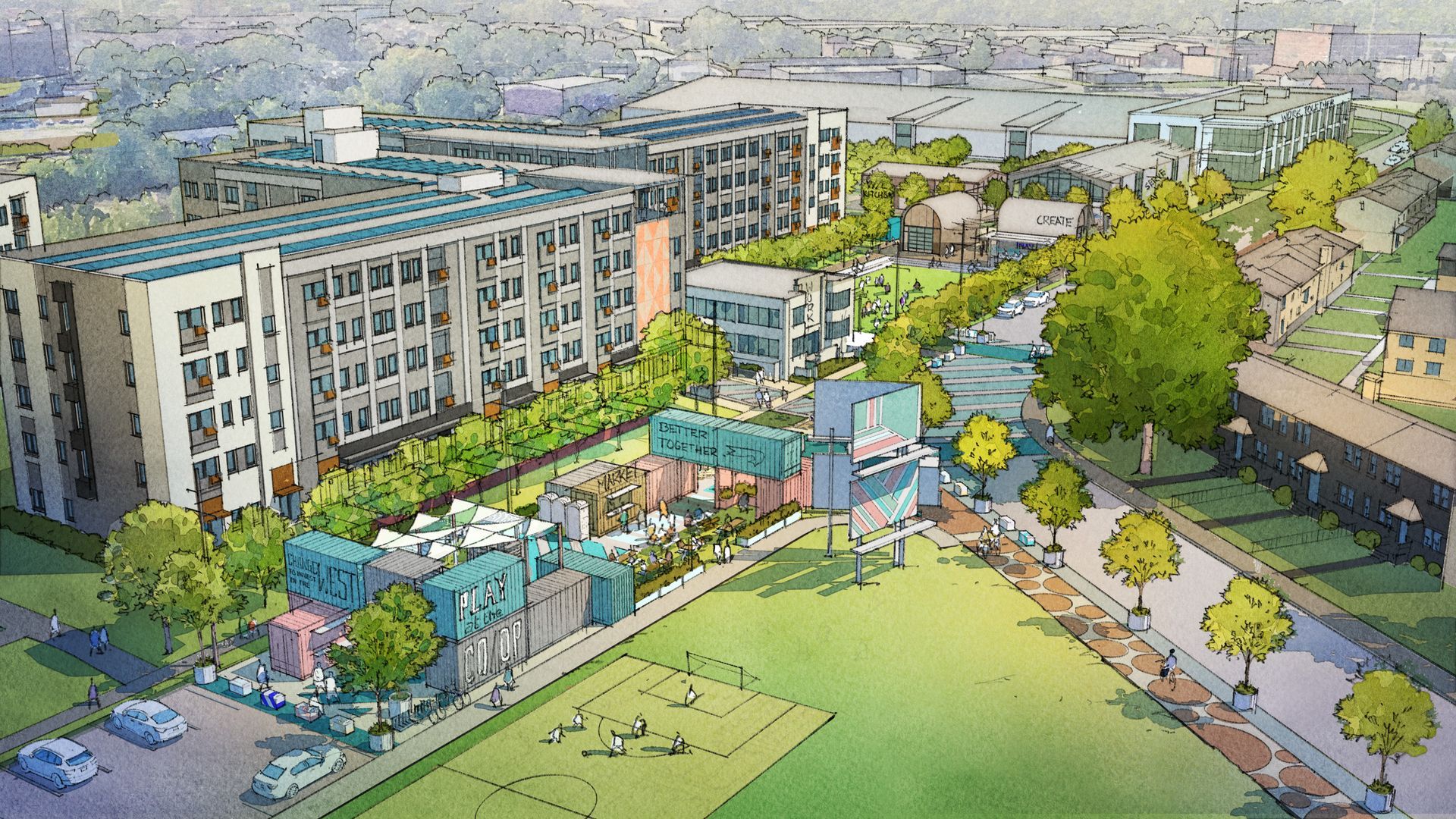
Good planning is not about producing a document that sits on a shelf. It is about helping communities get clear about what they want, building trust around a shared direction, and creating a practical path from ideas to action.
Over the years, CFN has helped neighborhoods and corridors tackle real challenges: how to preserve character while welcoming change, how to make streets safer and more connected, how to support local businesses, and how to turn community priorities into plans that can actually be implemented.
Strong planning helps neighborhoods speak with greater clarity, gives partners something concrete to rally around, and creates a roadmap for implementation that can survive beyond any one meeting or moment.
That matters now more than ever. Communities are navigating redevelopment pressure, disinvestment, infrastructure challenges, and growing interest in equitable growth and community ownership. In that environment, planning is not a luxury. It is how communities build the foundation for action on their own terms.
Center for Neighborhoods - Theory of change
Our long-established Theory of Change recognizes that sustainable neighborhood transformation follows a deliberate progression: Engagement → Education → Planning → Investment. Together, this sequence creates more than individual projects. It builds neighborhood capacity, grows long-term civic leadership, and shapes the policy and investment environment so communities can continue to direct their own futures—again and again.
Investment
Learn MoreWe connect communities to the capital, partners, and implementation support needed to bring plans to life. By aligning investment with neighborhood priorities, we help shift power, keep value local, and create pathways for long-term transformation.
Education
Learn MoreWe equip neighbors with the knowledge and skills to navigate civic systems, organize collectively, and lead effectively. Through applied learning and shared experience, residents gain the tools to move from participation to leadership.
Engagement
Learn MoreWe begin by building trust and relationships with neighbors, meeting people where they are and listening first. Through authentic engagement, residents identify priorities, build confidence, and take the first steps toward shaping what happens in their communities.
Planning
Learn MoreWe support neighborhoods in translating their ideas into clear, community-owned visions and actionable strategies. By centering residents and grounding plans in data and feasibility, we help ensure planning leads to real decisions and lasting impact.