What We Do
Helping Neighbors Shape the Future of Their Communities
The Center for Neighborhoods exists to make sure change doesn’t just happen to neighborhoods, it happens with them.
For more than 50 years, CFN has worked alongside residents to turn local knowledge into shared vision, and shared vision into real, lasting change. We do this by combining engagement, education, planning, and investment support in ways that build power at the neighborhood level and influence the systems that shape community life.
Our Mission
We connect people to create vibrant neighborhoods. When people unite around a shared purpose, they build safer, stronger, and more vibrant communities.
Our Theory of change
CFN’s work is guided by a long-established Theory of Change that recognizes how sustainable community transformation actually happens:
Engagement → Education → Planning → Investment
This isn't a linear checklist, it’s a connected system. Each stage builds the foundation for the next, creating momentum that leads to durable, community-led outcomes.
Engagement
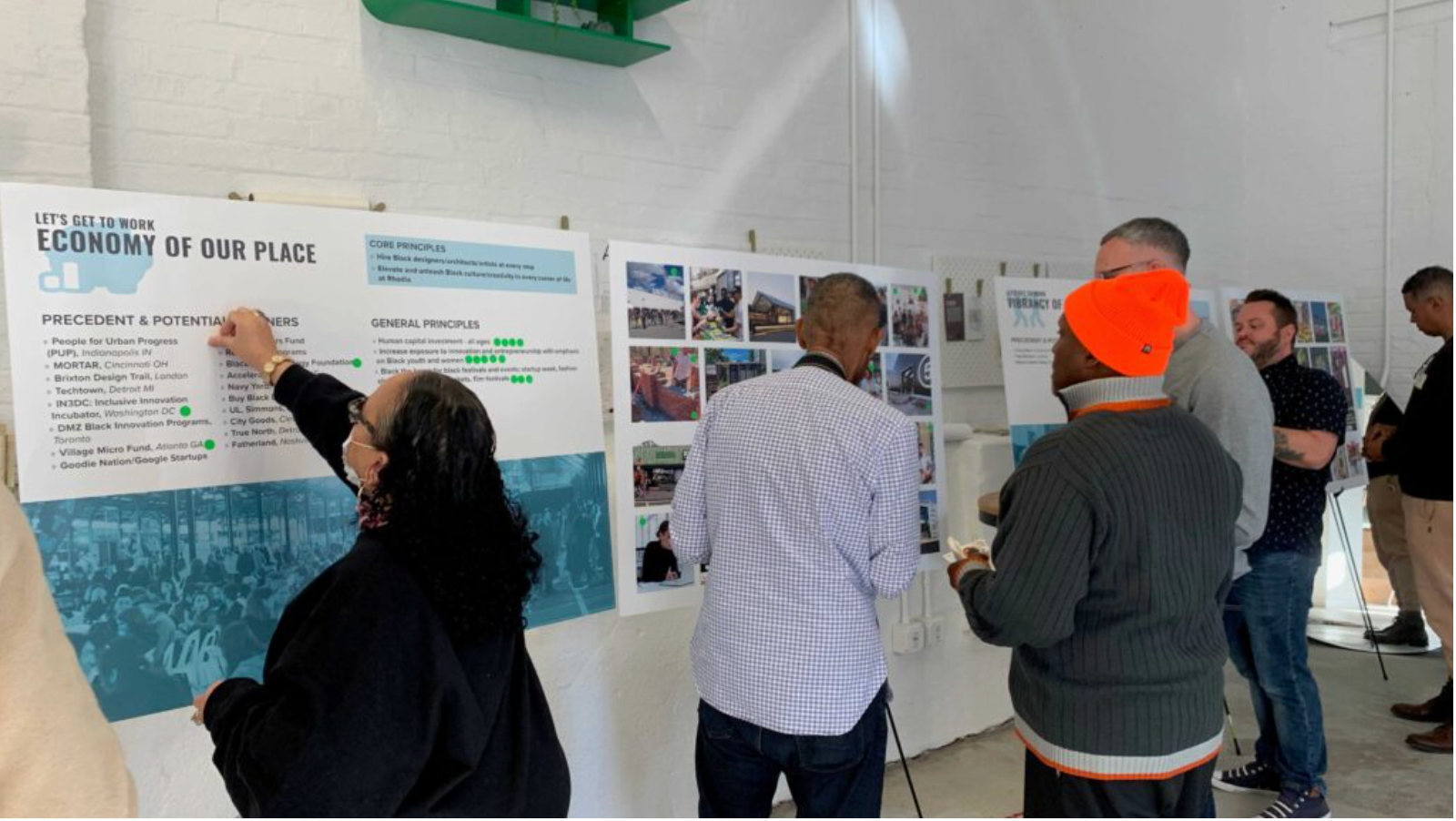
We start by listening. CFN creates spaces where residents can connect, build trust, and articulate what matters most in their neighborhood. Engagement activates local leaders and establishes shared ownership over the future.
Education
Through training and learning opportunities, we help neighbors understand how systems work from zoning and development to governance and finance. Education turns lived experience into informed leadership and expands what residents believe is possible.
Planning
Planning transforms ideas into actionable strategies. CFN supports neighborhoods in developing realistic, community-driven plans that reflect both local values and market realities, so vision is matched with feasibility.
Investment
We help communities move from plans to action by supporting project development, financing strategies, and implementation. Investment is where vision becomes visible and where neighborhoods begin to see tangible returns on their collective work.
Our Strategic Plan (2026-2028)
Build Power. Move Money. Change Policy.
The Center for Neighborhoods FY2026–FY2028 Strategic Plan sets the direction for our work over the next three years and sharpens how we turn neighborhood leadership into lasting change.
The plan starts from a simple truth: neighborhood transformation doesn’t happen because residents are asked to “show up.” It happens when people have the knowledge, relationships, resources, and authority to act—and when systems stop blocking progress. This strategy is built to do exactly that.
Grounded in CFN’s long-standing Theory of Change—Engagement → Education → Planning → Investment—the plan focuses our work on moving communities along that continuum, whether they engage at one stage or walk with us through all of them.
CFN Strategic Plan
Our Prioritizations
Neighborhood transformation doesn’t come from another glossy document. It happens when residents are organized, equipped with real skills, backed by investment, and supported by rules that stop working against them. This plan is built for that reality.
Grow community leadership at scale
We’re expanding education and engagement efforts that equip residents with practical civic skills and confidence. This steady pipeline of learning builds momentum—creating leaders who are ready to organize, plan, and take action.
Turn vision into funded projects
Communities don’t lack ideas; they lack access to capital and technical support. Our planning and investment work bridges that gap helping neighborhoods develop strong plans, structure real projects, and connect to funding and partners that make implementation possible.
Change the rules so progress lasts
Without policy change, neighborhoods keep fighting the same battles. The plan commits CFN to using what we learn on the ground to influence policies that remove barriers and make neighborhood-led transformation stick.
CFN Strategic Plan
THe impact
This strategic plan reflects a shift away from one-off programs and toward durable capacity. When residents gain real civic skills, they don’t just influence a single project, they change what they believe is possible. When that leadership is paired with planning, investment, and policy change, neighborhoods stop being acted upon and start directing their own futures.
That’s the model CFN is advancing over the next three years and why this plan matters far beyond the organization itself.
CFN’s work shows up in many forms: trainings, plans, partnerships, and projects—but always with the same goal: helping neighbors turn care into collective action. From historic preservation and adaptive reuse to leadership development and investment readiness, our work reflects the belief that neighborhoods are more than places, they are systems powered by people.
What People Say About Us