
Weekly Blog
CFN Updates
Nia Center Sale: Will Louisville Let the Community Lead This Time?
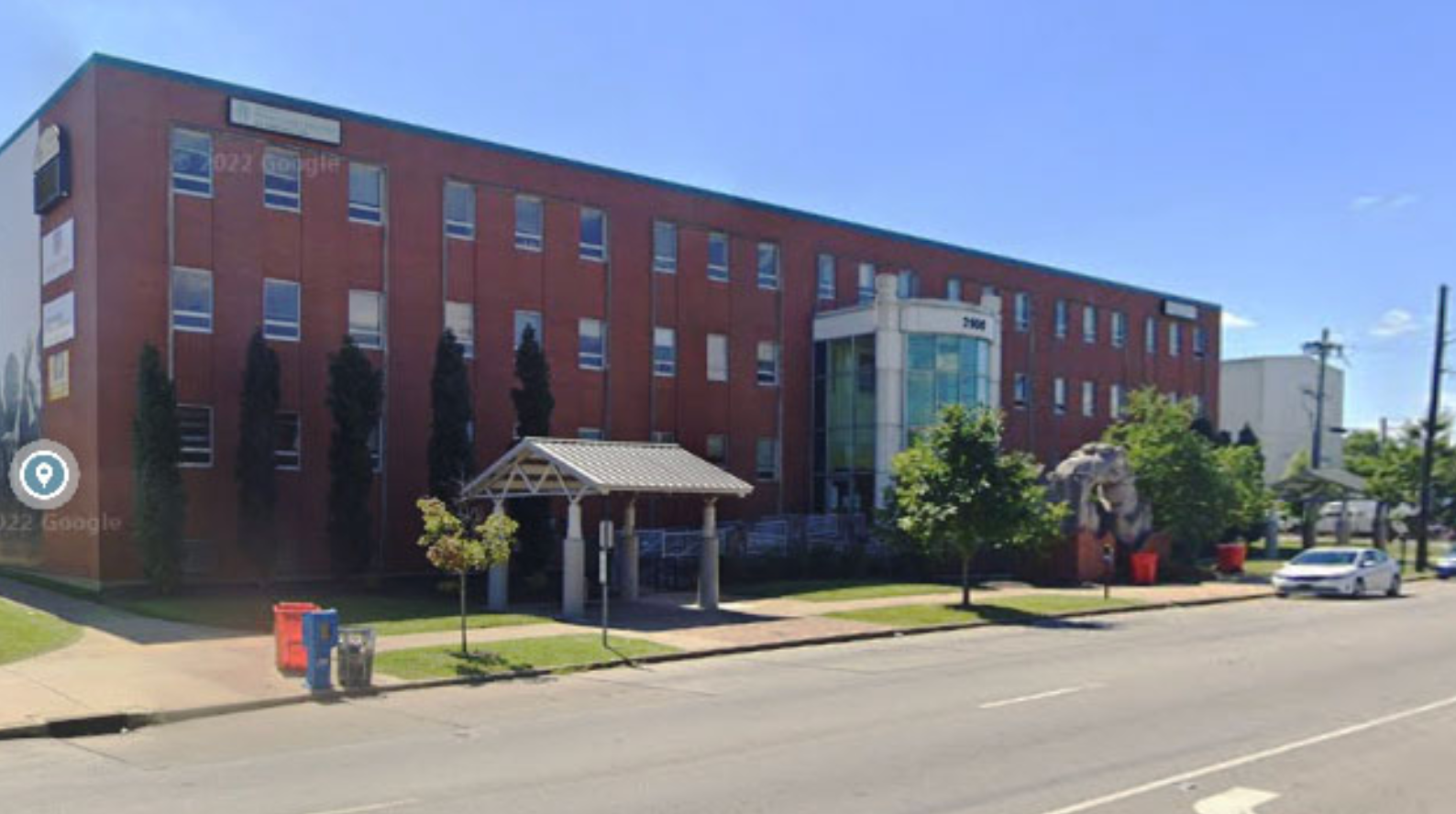
Louisville has no shortage of bold ideas for economic development, but too many of them still launch before residents have a seat at the table. The latest example: the Transit Authority of River City’s plan to sell the TARC-owned Nia Center to Goodwill— a move that blindsided the small businesses now housed there and sparked public outcry on their behalf.
This is hardly the first time a top-down deal concerning government-owned community space has raced ahead of neighborhood input. As we reported last month, the proposed 25-acre racket-sports complex in Joe Creason Park revealed the same cracks: opaque approval channels, unclear timelines, and limited notice to those most affected.
Each year, the Louisville Metro Government undergoes a structured process to create and adopt a balanced budget for the upcoming fiscal year, which begins on July 1. This process is guided by both state law and local ordinance to ensure transparency, public accountability, and fiscal discipline.
The Core Problem
- Missed transparency checkpoints – Land sales, leases and TIF allocations often run through quasi-government boards or agency directors long before Metro Council ever votes, leaving neighbors to play catch-up.
- Token engagement, not shared power – One-off “listening sessions” rarely influence the final deal terms, eroding trust and reinforcing inequity.
- Displacement risk – Tenants at the Nia Center now scramble for space as redevelopment plans move forward lpm.org.
The Opportunity: Community-Led Economic Development
Our work with the Park Hill/Algonquin Community of Opportunity shows what’s possible when residents drive the agenda from day one. Key ingredients:
- Representative leadership group. Forty neighbors—ages 6 to 75 and paid stipends for their time—guided every milestone
- Data-driven discovery anchored in local assets. Partners gathered health, housing and market data with residents, not for them
- Capacity-building. Participants completed a Health Equity Learning Academy, power-mapping exercises and photo-voice storytelling, building skills that last well beyond a single project
- Celebration and ownership. When the mixed-use Rhodia site advanced, community leaders were the ones at the podium beside the mayor. The group is creating a community-owned co-op to take direct holdings in future developments.
A Better Process for Nia Center & Future Projects — Six Practical Phases
- Early Notice & Clear Timeline
- Publish the intent to sell public land 60–90 days before any board vote.
- Share a plain-language flowchart that shows every approval step from start to finish.
- Transparent Impact Briefs
- Release traffic, environmental, equity, and displacement analyses online in everyday language.
- Ensure briefs are prepared by independent consultants with no stake in the outcome.
- Resident Steering Committee
- Recruit and pay a diverse mix of neighbors—tenants, small-business owners, youth, elders—to shape project goals.
- Engage a neutral convener (Center for Neighborhoods or similar) to facilitate.
- Multi-Channel Feedback Loop
- Host both citywide hearings and neighborhood-level briefings.
- Collect comments in person, online, and in writing; publish all feedback and official responses.
- Negotiated Community Benefits
- Translate resident priorities into binding agreements—e.g., affordable commercial space, first-source hiring, anti-displacement funds, and community co-ownership.
- Formalize these commitments within leases or development contracts.
- Shared Celebration & Ongoing Oversight
- Invite residents to co-host the groundbreaking and ribbon-cutting.
- Schedule quarterly check-ins during construction and the first year of operation to track promises.
By following these six phases, Louisville can move from top-down transactions to community-up investments—creating growth that neighbors help design, benefit from, and celebrate.
Louisville can make every economic-development deal a community-up investment rather than a top-down transaction. Even now, the players could adopt the six-phase process above before any vote on the Nia Center sale.
Neighbors built these neighborhoods; they deserve an equal hand in building their future. Let’s make sure the next headline reads, “Community and City Co-Create West End Prosperity”—and not another story of decisions made without the people most affected.
share this

Be Part of
the Story
The stories you’re reading are powered by residents building stronger communities. Donate today and support our residents, plans, and partnerships that make community-led change possible.
