Weekly Blog
CFN Updates
Done Deal: Community Foundation of Louisville Delivers Bridge to Community Ownership
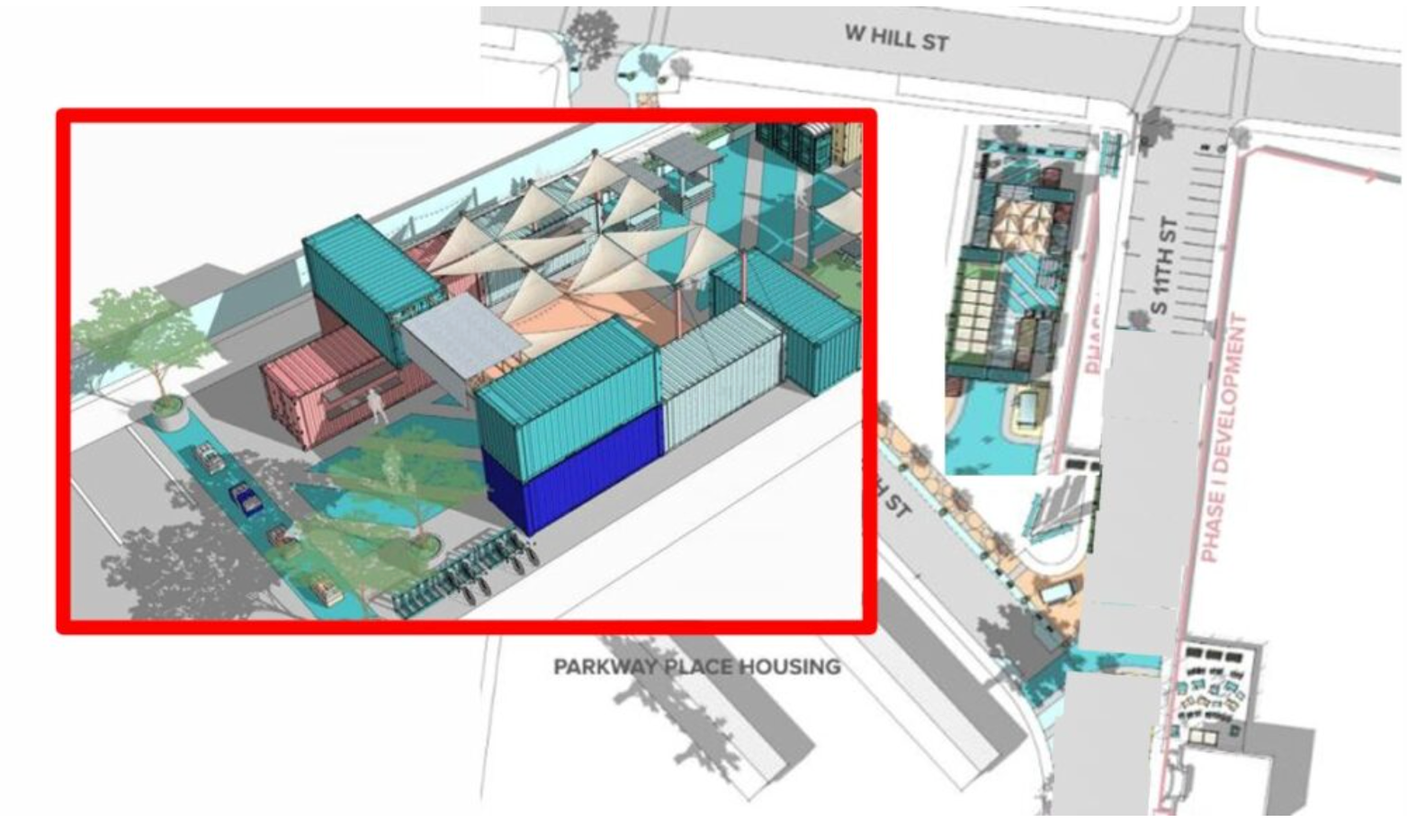
Back in March we described how we are helping community members in the Park Hill/Algonquin neighborhoods address an imminent issue impacting their wellbeing. We were committed to supporting them in their fight for a healthier, more sustainable neighborhood.
Working together, this group of residents and concerned community members not only worked with the owners of the Dumpster Company to convince them to move, but also to sell the property to the community for future economic empowerment.
CFN negotiated a purchase agreement that called for a closing on Tuesday, October 21, 2025, and applied to the West End Opportunity Partnership for a package of funding that would not only secure the property for future community ownership but provide for holding costs and programming funds to complete the creation of the co-op and activate the plan.
The Triangle is In Hand—On Time
This Tuesday, we officially closed on the Triangle property at 1120 W. Hill Street—on behalf of the neighborhood group, holding the property until the funds can be secured to support the creation and successful operations of the group’s planned co-operative called Rising Roots Collective, at which time the property will transfer to the co-op and to community ownership.
This milestone happened because the Community Foundation of Louisville (CFL) stepped in with bridge funding at a pivotal moment, ensuring the acquisition could proceed while overall project funds could be finalized.
Why CFL’s Bridge Mattered
When a community-led deal moves from vision to closing, timing is everything. CFL’s bridge funding:
- Unlocked the purchase while other dollars are still moving through approvals.
- Protected the price and schedule, preventing delays that could have added cost or risked losing the site.
- Kept faith with residents, honoring the three-year journey from learning to leadership to ownership.
What “Closing” Really Means for the Neighborhood
This isn’t just a land transaction. It’s the first community-owned foothold at the front door of Park Hill/Algonquin—where we’ll stand up the Economic Village and launch the community cooperative to steward the asset. Ownership means:
- A real place for small Black-owned businesses and local makers to start and grow.
- People power in practice—neighbors shaping the plan, governing the asset, and sharing the benefits.
- Early, visible activation that draws partners, training, and jobs into the neighborhood rather than out of it.
What’s Next (near-term)
With the deed recorded, we move immediately to:
- Secure the funding package requested of the West End Opportunity Partnership, and reimburse CFL for the bridge funding.
- Complete co-op formation & onboarding, so local members can legally receive, govern, and operate the site.
- Kick-start activation tied to the Economic Village—programming, micro-retail, and workforce opportunities that make the site useful and alive.
Gratitude—and a standard to keep
Huge thanks to Community Foundation of Louisville for stepping in with smart, timely capital. Their support didn’t just help us buy a property; it helped us keep a promise—to build a model where community voices drive decisions and community members share in value created.
This wasn’t a simple transaction, none ever are, but the Community Foundation stood by the people seeking change here every step of the way.
We’re also grateful to residents, partners, and funders who’ve walked with us from Part 1 (formation), through Part 2 (leadership), to Part 3 (ownership). Closing day is a finish line and a starting line. We intend to keep setting a high bar: disciplined finances, transparent governance, and visible outcomes that matter on our blocks.
How you can plug in
- Learn more about the co-op and the Park Hill/Algonquin Community of Opportunity Neighborhood Association and join in this work.
- Mentor and hire through upcoming workforce and entrepreneurship programming.
- Invest in activation—murals, lighting, small-business fit-outs, and placemaking that signal pride and momentum.
This is what it looks like when partners invests in people power—and when a community foundation backs that power with the right capital at the right time.
Read:
What is Your Identity in Christ?
Watch: Identity & Action
TAGS:
Black Lives Matter | Martin Luther King Jr. |
Race and Ethnicity
LCBC stands for Lives Changed By Christ. We are one church in multiple locations across Pennsylvania. Find the location closest to you or join us for Church Online. We can’t wait to connect with you!
share this

Be Part of
the Story
The stories you’re reading are powered by residents building stronger communities. Donate today and support our residents, plans, and partnerships that make community-led change possible.
