
news & Insights
Engagement case study: Beechmont’s “small wins” that add up
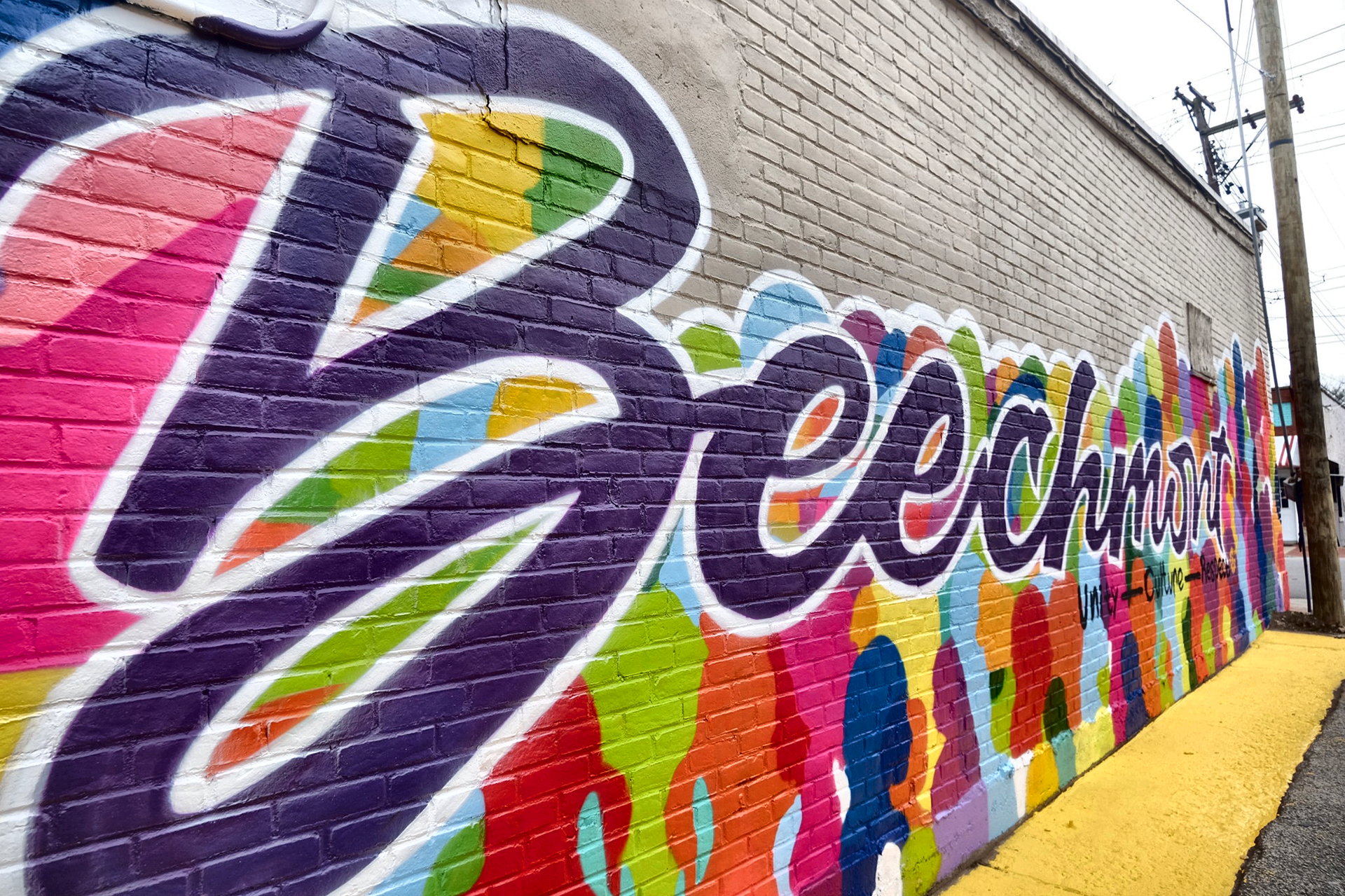
Why Beechmont
Beechmont is the kind of neighborhood where engagement has to be real, not performative: it’s racially and ethnically mixed (about 67% White, 12% Black, nearly 12% Hispanic, and 4% Asian, using Census-based estimates). (Statistical Atlas) It’s also home to long-standing immigrant-owned businesses and community anchors—like Vietnamese and Asian groceries and restaurants that have served the neighborhood for decades. (Beechmont Neighborhood Association)
CFN’s role: support neighbors—don’t steer them
At CFN, engagement isn’t a “phase.” It’s how the work starts and how it stays accountable.
Resident work is the backbone, and it “all begins with engagement,” with liaisons on the ground helping neighbors drive change through their vision—providing technical support, not decisions.
The story: a neighbor sees what’s missing—and builds it
In 2022, Presley Pham, a long-time resident and recent Neighborhood Institute graduate started paying closer attention to what was happening around her and felt pulled toward doing something tangible for her neighbors.
- The first move: After completing Neighborhood Institute, she built a simple, actionable plan: create flower beds at the Beechmont Community Center—and used a $500 CFN grant to do it.
- The multiplier: She didn’t do it alone. She also secured matching funds from the community center, expanding the scope and quality of the project.
This is what engagement looks like when it’s working: a neighbor’s idea becomes a public improvement fast, with CFN providing just enough fuel and structure to move from intention to action. And once someone experiences that “I can do something here,” it spreads.
Engagement in a diverse neighborhood means making room for everyone
Beechmont’s strength is its mix of people and cultures—and engagement has to reflect that, not flatten it. Presley described Beechmont as a “diverse neighborhood,” shaped by her own experience arriving in the area after immigrating from Viet Nam.
At the neighborhood level, Beechmont Neighborhood Association (BNA) reinforces that diversity as an asset—highlighting local businesses that serve (and often represent) different communities. In a 2022 neighbor feature, BNA described A-Chau as a store that has provided “our diverse neighborhood with Vietnamese and Asian foods since 2004,” and shared the story of the Tran family building the business over time. (Beechmont Neighborhood Association)
For CFN, this matters because engagement isn’t just “getting input.” It’s strengthening the neighborhood’s connective tissue—so that long-time residents, newer residents, renters, homeowners, immigrants, and small businesses all see themselves as stakeholders.
The “long game” example: Phillips Lane—when engagement becomes infrastructure
Beechmont also shows how neighborhood engagement becomes policy and capital projects—when it’s sustained.
In the long-running Phillips Lane sidewalk effort, a group of neighbors supported by CFN completed a walkability assessment back in 2014, creating the priorities and groundwork that later partners could pick up. (GovDelivery) The project ultimately became a multi-agency win—praised by Metro leadership for problem-solving and for improving safety and the corridor experience for residents, businesses, and visitors. (GovDelivery)
That arc—neighbors → assessment → partners → public investment—is the engagement pipeline in its strongest form.
What this shows about CFN’s Engagement model
Beechmont is a clear example of CFN’s engagement philosophy in practice:
- Start with neighbors’ priorities (not CFN’s).
- Offer practical help: facilitation, problem-solving, and project support.
- Back action with small resources that unlock momentum (like Presley’s $500 project grant).
- Stay in it long enough for small wins to become big systems change (like Phillips Lane).
Bottom line
Engagement isn’t a meeting. It’s neighbors gaining the confidence, tools, and relationships to shape what happens next—on their block, at their community center, and eventually in the infrastructure and investment decisions that define a neighborhood’s future. Beechmont shows how CFN helps that transformation start—and stick.
share this

Be Part of
the Story
The stories you’re reading are powered by residents building stronger communities. Donate today and support our residents, plans, and partnerships that make community-led change possible.