Community Education & Training
Learning That Builds Leadership and Lasting Impact
At the Center for Neighborhoods, education is about equipping people to lead with confidence and clarity. Through neighborhood-based leadership education and training, we support residents and neighborhood organizations across Metro Louisville as they build skills, deepen knowledge, and strengthen their ability to act. Our programs create shared learning spaces where neighbors from different communities, backgrounds, and experiences learn together—building networks rooted in trust and practice. By connecting education to real-world challenges, we help leaders move from understanding systems to navigating them and from participation to sustained neighborhood impact.
Neighborhood Institute
How we Educate
Teaching neighbors how to lead in real-world systems
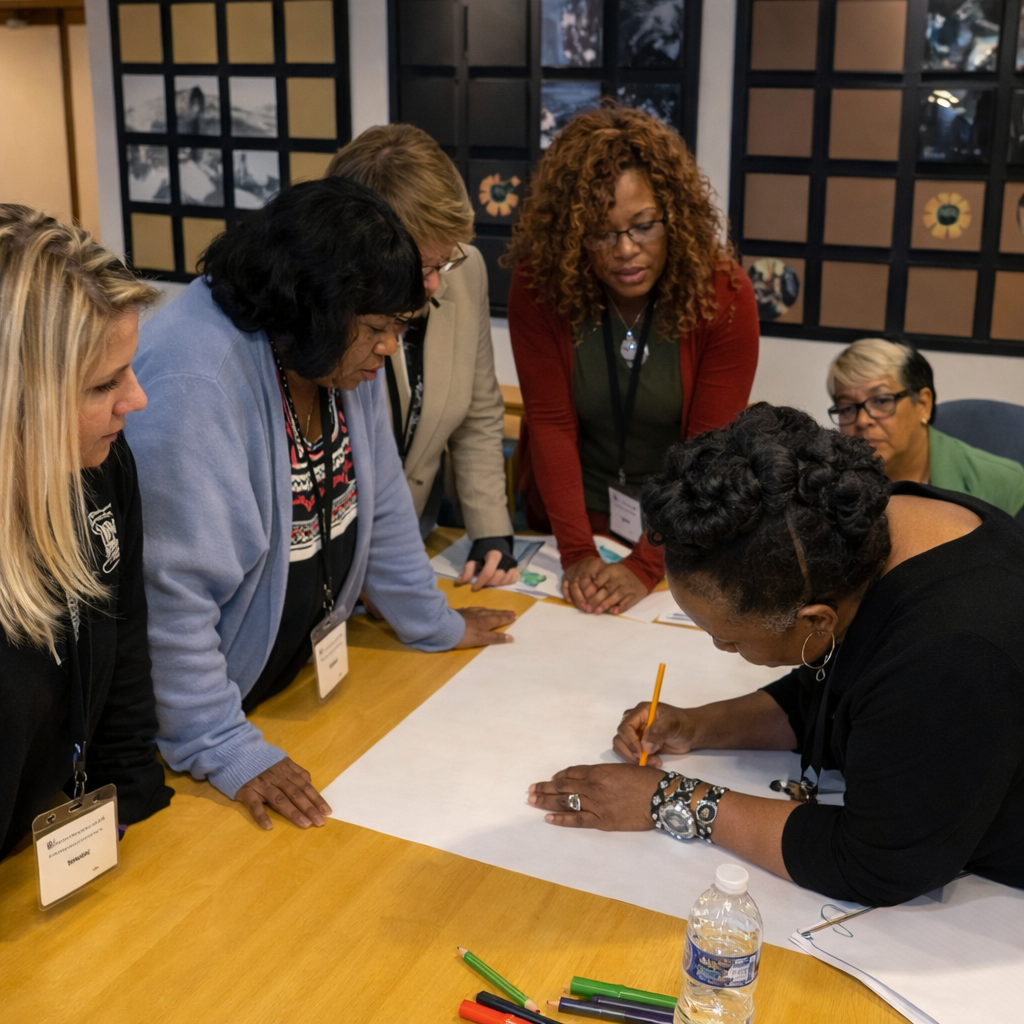
The Neighborhood Institute is CFN’s flagship leadership education program and often the first step in a neighbor’s leadership journey. This free, 6-week training equips residents with the skills to organize, collaborate, and lead change in their communities. Offered twice each year, the program has supported neighborhood leaders across Metro Louisville for more than 30 years.
Participants learn how neighborhoods work, how to navigate civic systems, and how to build consensus across differences all while forming relationships with leaders from across the city. The result is a network of informed, connected residents who are prepared to lead projects, serve on boards, influence policy, and shape the future of their neighborhoods.
Interested in becoming a Neighborhood Institute participant?
Neighborhood summit
how we Educate
Building knowledge through citywide connection
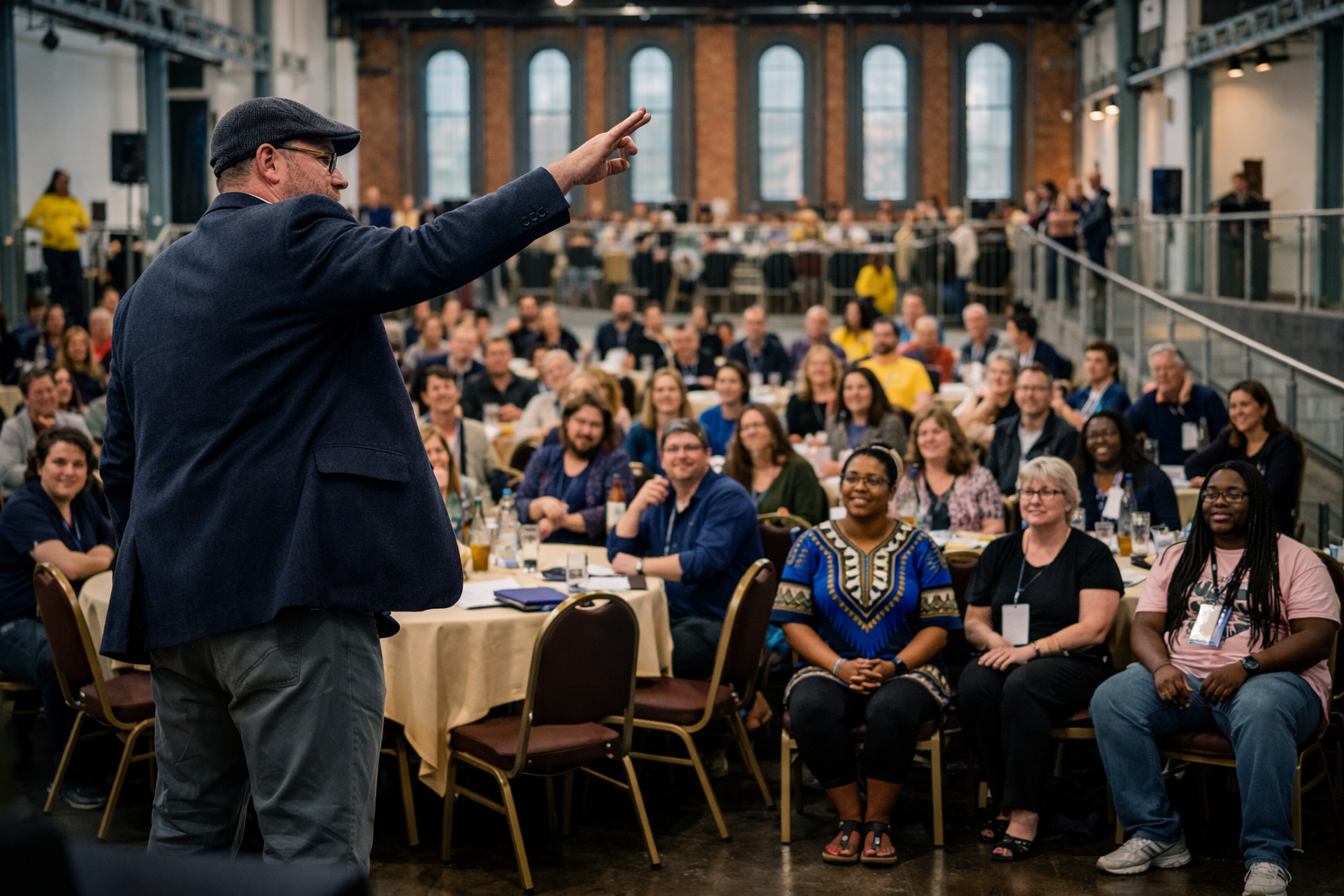
The Neighborhood Summit is CFN’s annual gathering of neighborhood and emerging leaders, small businesses, nonprofit partners, and local government staff. This day-long conference highlights what’s working across Louisville; sharing real examples of community-building, neighborhood leadership, and collaborative problem-solving.
More than a conference, the Summit is a space to build connections across neighborhoods and sectors, celebrate progress, and spark new ideas. It reflects CFN’s belief that learning is stronger when it’s shared and that the best solutions emerge when people from different roles and perspectives come together around place.
Join us at the next Neighborhood Summit
Stay connected for dates, speakers, and registration details.
"Creating Community, One Neighborhood at a Time.'
Education in action
Turning neighbors into civic operators
“Small wins” that add up
Most neighborhoods don’t lack care or commitment, they lack access to the knowledge that turns concern into leverage.
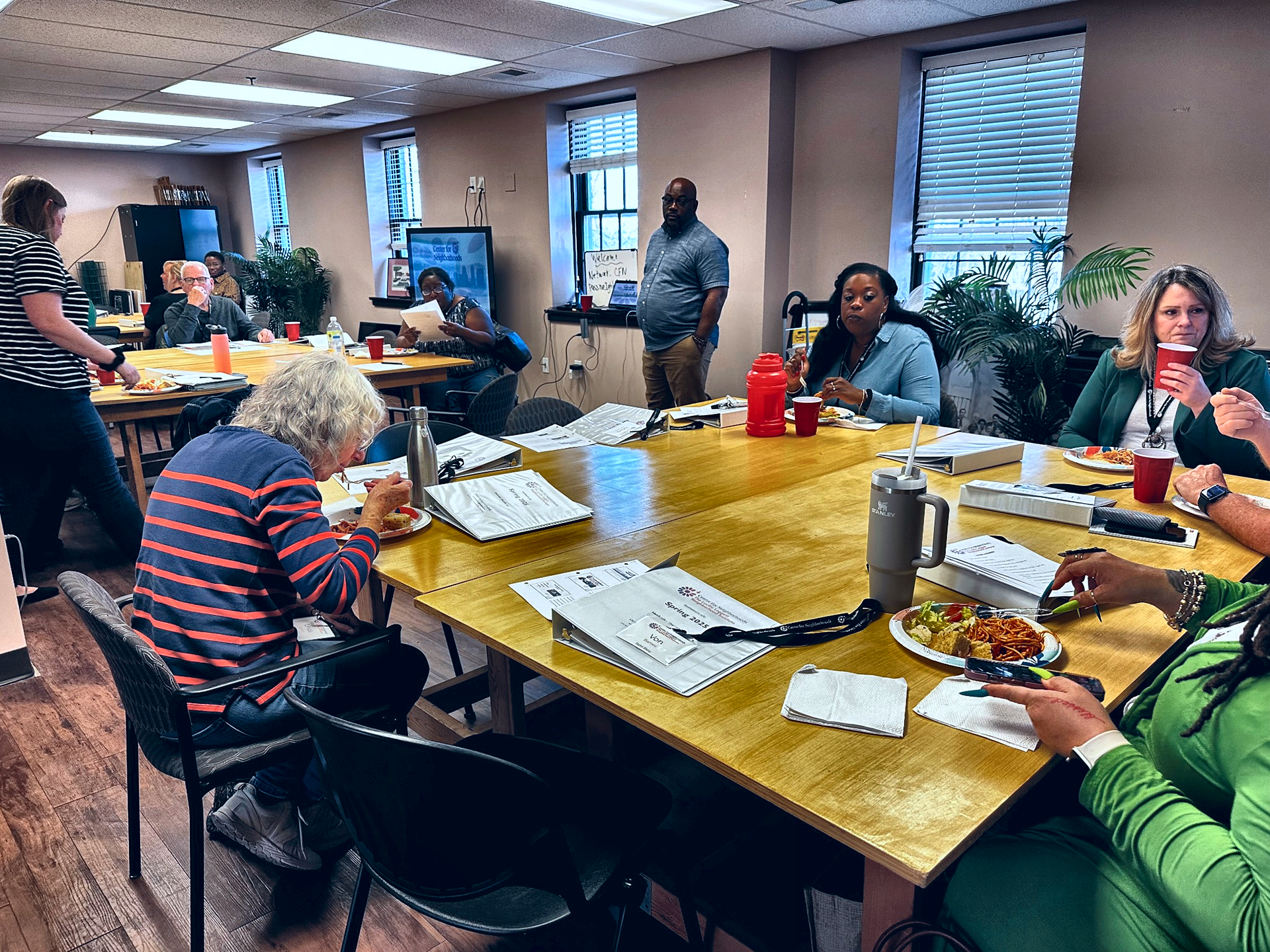
The Center for Neighborhoods’ education work exists to close that gap. Through leadership education, CFN teaches neighbors how local systems actually work: how decisions are made, how power moves, and how to organize people and ideas into clear, actionable priorities. This isn’t abstract learning. It’s practical, applied, and designed to be used immediately in real neighborhood conditions.
Programs like the Neighborhood Institute bring neighbors from across Louisville together to build skills, relationships, and confidence that last far beyond the classroom. Graduates consistently show up differently, better prepared to articulate consensus, navigate institutions, and move projects forward instead of reacting to decisions already in motion. Over time, many go on to serve on boards, lead organizations, and step into elected and civic leadership roles. This is why education comes first at CFN: when neighbors understand how to operate within systems, engagement becomes meaningful, planning becomes community-owned, and investment becomes accountable.
Center for Neighborhoods - Theory of change
Our long-established Theory of Change recognizes that sustainable neighborhood transformation follows a deliberate progression: Engagement → Education → Planning → Investment. Together, this sequence creates more than individual projects. It builds neighborhood capacity, grows long-term civic leadership, and shapes the policy and investment environment so communities can continue to direct their own futures—again and again.
Engagement
Learn MoreWe begin by building trust and relationships with neighbors, meeting people where they are and listening first. Through authentic engagement, residents identify priorities, build confidence, and take the first steps toward shaping what happens in their communities.
Education
Learn MoreWe equip neighbors with the knowledge and skills to navigate civic systems, organize collectively, and lead effectively. Through applied learning and shared experience, residents gain the tools to move from participation to leadership.
Planning
Learn MoreWe support neighborhoods in translating their ideas into clear, community-owned visions and actionable strategies. By centering residents and grounding plans in data and feasibility, we help ensure planning leads to real decisions and lasting impact.
Investment
Learn MoreWe connect communities to the capital, partners, and implementation support needed to bring plans to life. By aligning investment with neighborhood priorities, we help shift power, keep value local, and create pathways for long-term transformation.