Community Engagement
It Starts With Trust and Leads to Action
At the Center for Neighborhoods, engagement begins by building real relationships. We work alongside residents, neighborhood associations, and civic partners across Metro Louisville—listening first, then helping people turn their ideas into action. By demystifying civic systems and supporting collaboration, we equip neighbors with the tools, confidence, and connections to shape decisions that impact their communities. The result: neighbors leading change on their own blocks, and momentum that grows neighborhood by neighborhood.
Relationship-Building & On-the-Ground Engagement
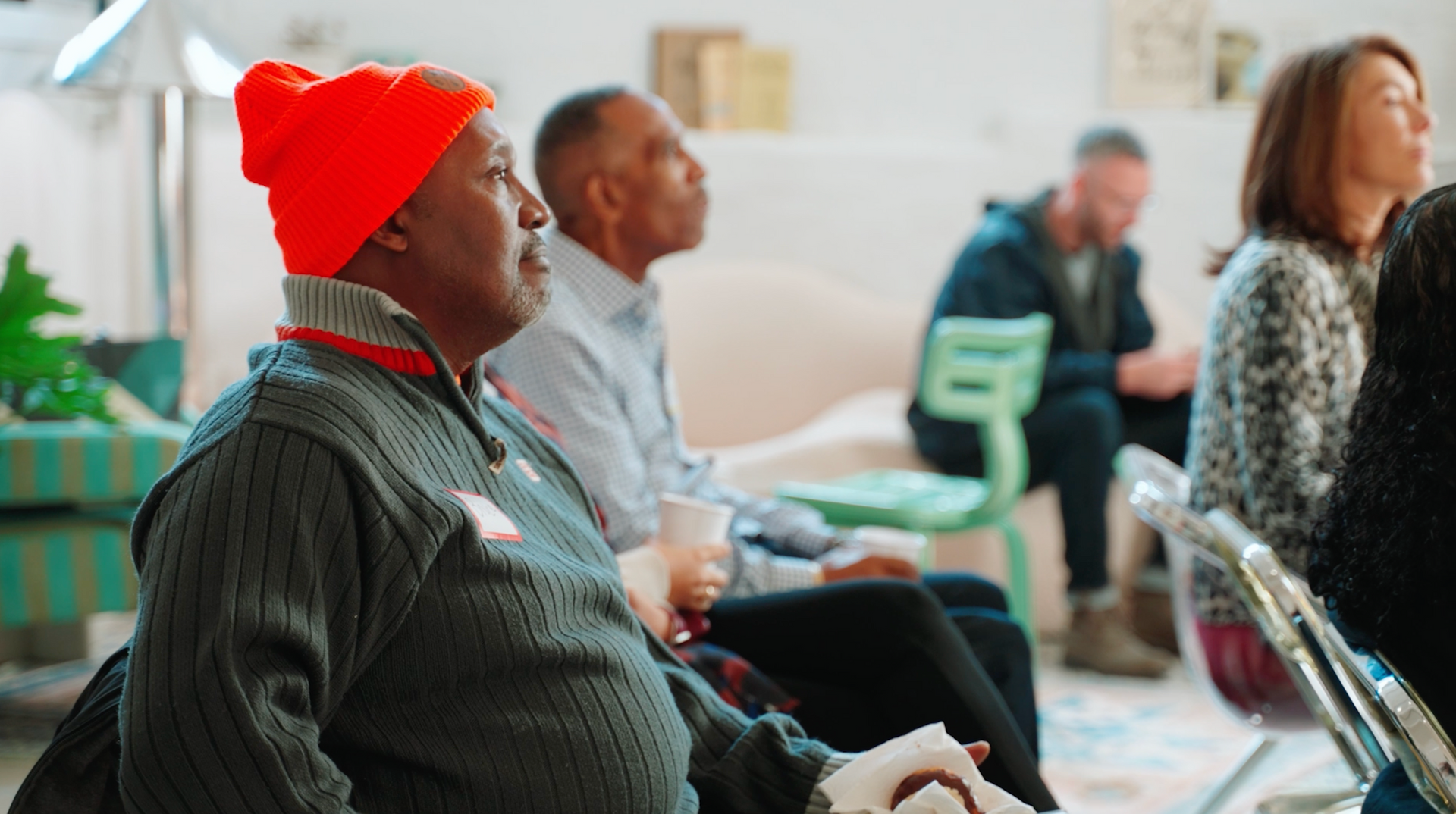
How we engage
Showing Up, Listening, and Connecting the Dots
Engagement starts with presence. CFN staff build relationships with neighborhood associations and local leaders by showing up where neighbors already gather. We listen, share relevant opportunities from CFN and trusted partners, and help neighborhoods understand what resources and pathways are available to them. This work ensures residents are informed, connected, and positioned to act when opportunities arise.
Want CFN at your neighborhood meeting?
Invite us to attend, listen, and share what’s possible for your community.
Technical Assistance & Community-Led Problem Solving
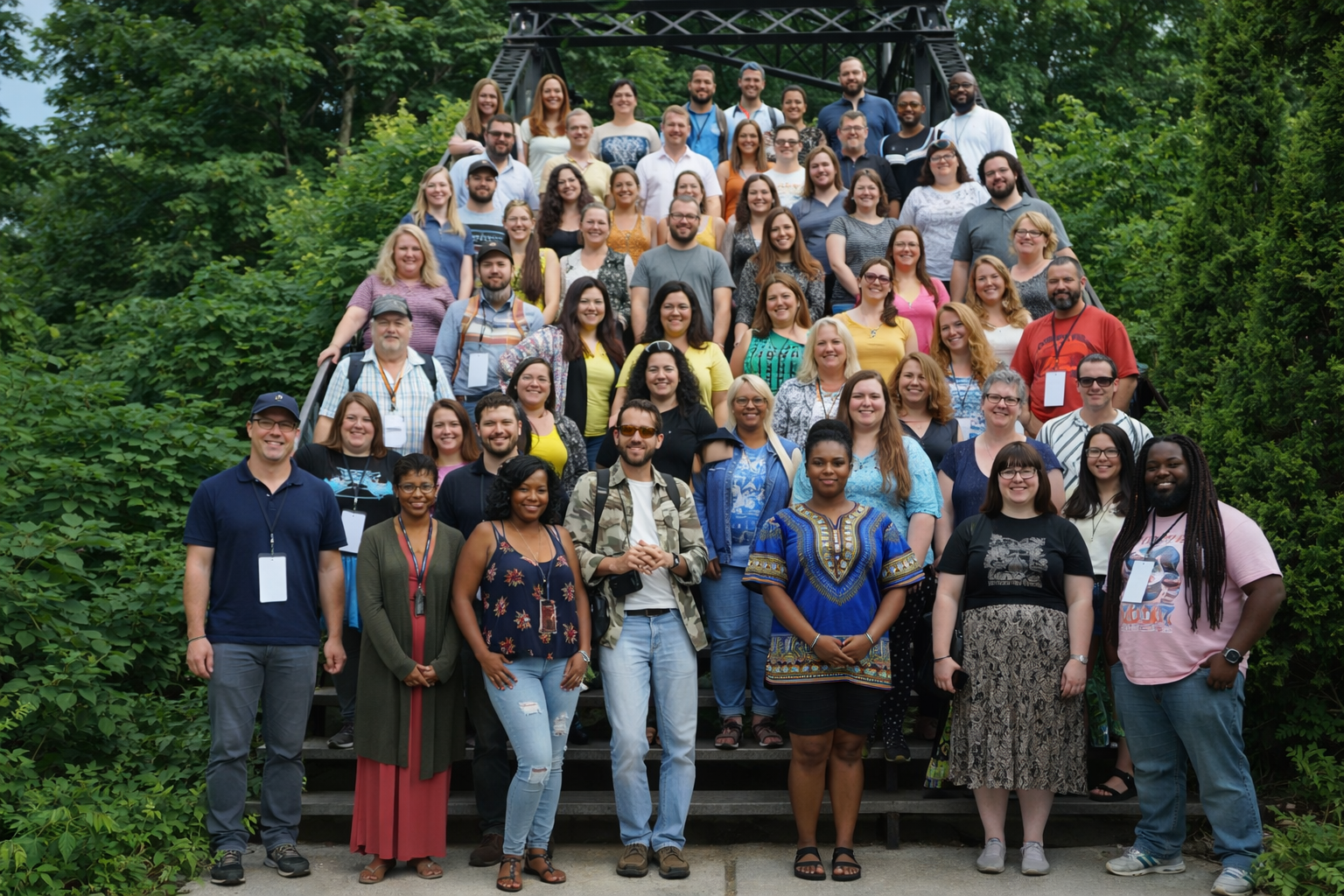
how we engage
Turning Neighborhood Ideas Into Action
No two neighborhoods are the same and engagement has to reflect that. CFN provides hands-on technical assistance to support neighborhood organizations as they plan, problem-solve, and move ideas forward. From facilitation and visioning sessions to project development, navigation of systems, and conflict resolution, we work alongside community leaders, not ahead of them, to co-create practical solutions rooted in local priorities.
Have an idea or challenge you’re ready to work on?
Connectwith CFN to explore how we can support your next step.
"Creating Community, One Neighborhood at a Time."
engagement in action
Beechmont Shows What’s Possible When People Are Activated, Not Managed
“Small wins” that add up
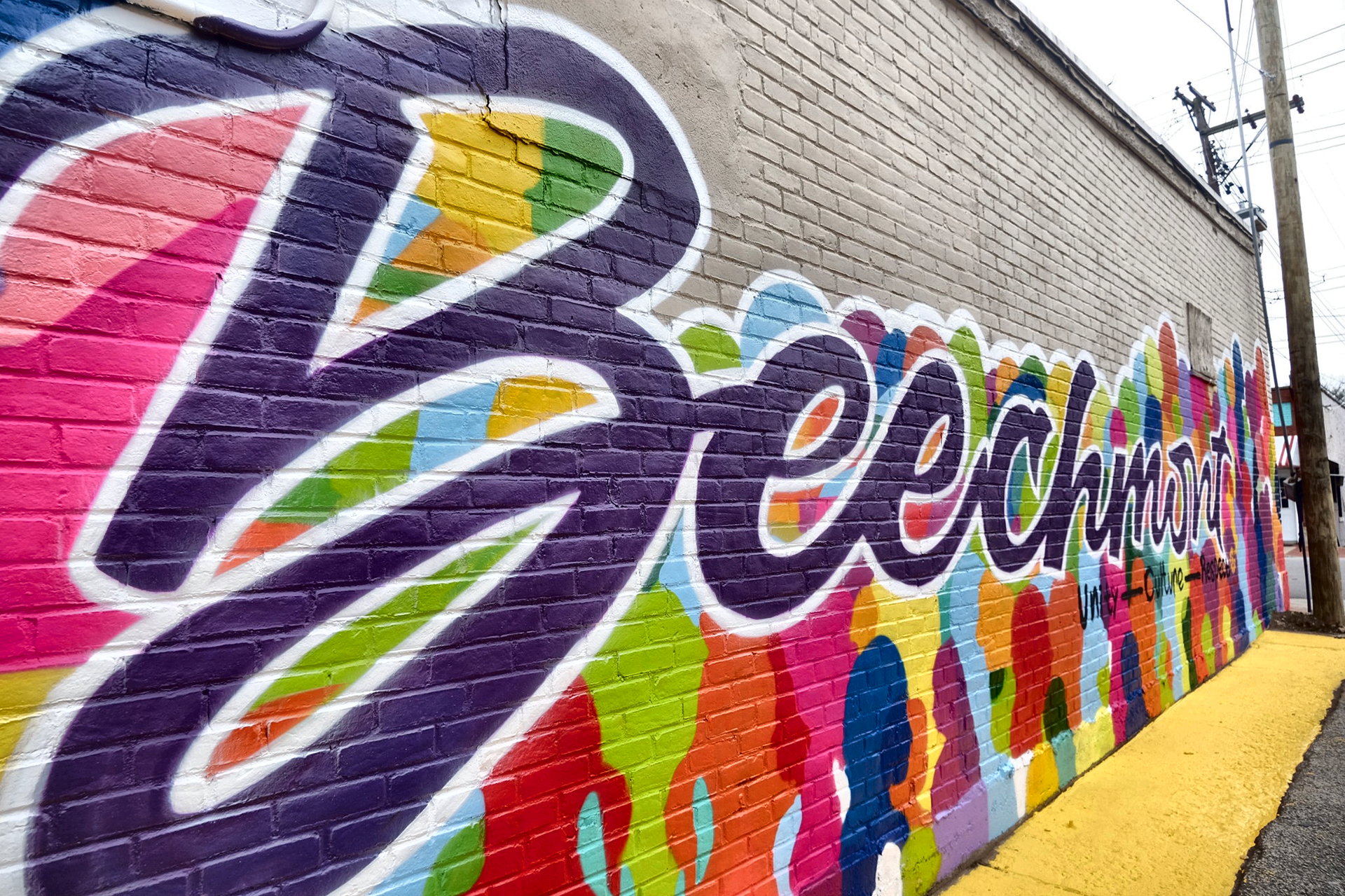
Engagement in a diverse neighborhood means making room for everyone.
In 2022, Presley Pham, a long-time resident and recent Neighborhood Institute graduate started paying closer attention to what was happening around her and felt pulled toward doing something tangible for her neighbors.
She turned a simple idea, adding flower beds to the Beechmont Community Center, into a tangible neighborhood improvement. With a small grant from the Center for Neighborhoods and light-touch technical support, her vision moved from thought to action quickly. This is engagement in its truest form: neighbors identifying priorities, building confidence, and creating visible change in the places they care about most. And the most powerful part? Once someone realizes “I can do something here,” that belief spreads.
Center for Neighborhoods - Theory of change
Our long-established Theory of Change recognizes that sustainable neighborhood transformation follows a deliberate progression: Engagement → Education → Planning → Investment. Together, this sequence creates more than individual projects. It builds neighborhood capacity, grows long-term civic leadership, and shapes the policy and investment environment so communities can continue to direct their own futures—again and again.
Engagement
Learn MoreWe begin by building trust and relationships with neighbors, meeting people where they are and listening first. Through authentic engagement, residents identify priorities, build confidence, and take the first steps toward shaping what happens in their communities.
Education
Learn MoreWe equip neighbors with the knowledge and skills to navigate civic systems, organize collectively, and lead effectively. Through applied learning and shared experience, residents gain the tools to move from participation to leadership.
Planning
Learn MoreWe support neighborhoods in translating their ideas into clear, community-owned visions and actionable strategies. By centering residents and grounding plans in data and feasibility, we help ensure planning leads to real decisions and lasting impact.
Investment
Learn MoreWe connect communities to the capital, partners, and implementation support needed to bring plans to life. By aligning investment with neighborhood priorities, we help shift power, keep value local, and create pathways for long-term transformation.